New this week
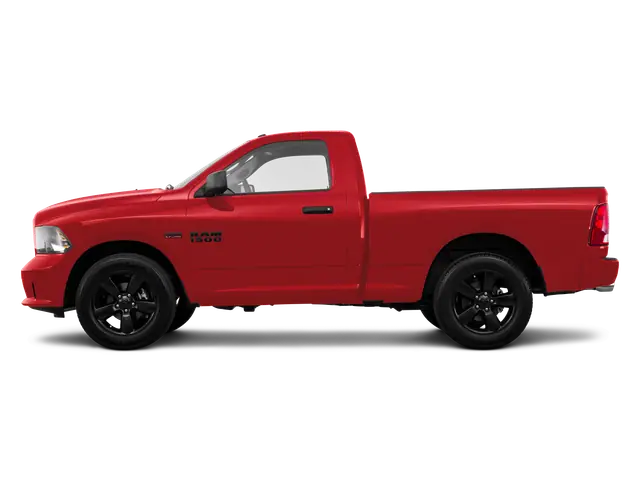
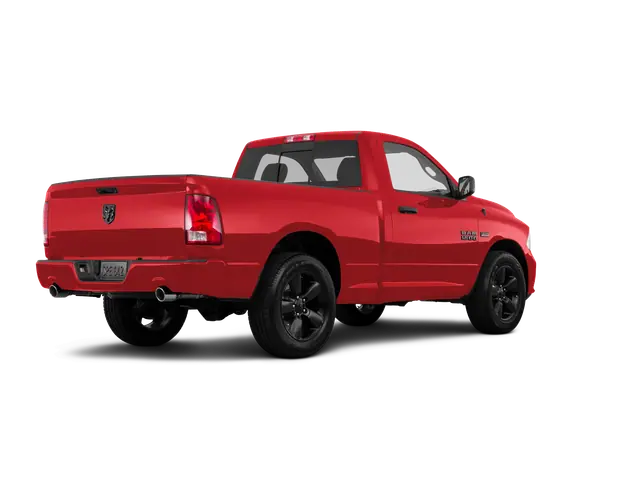
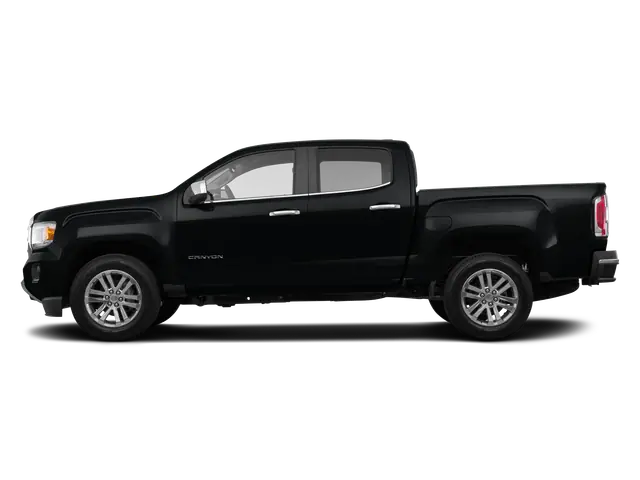
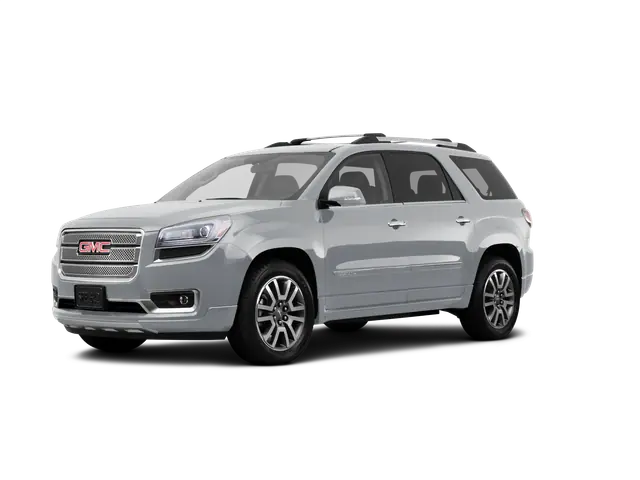
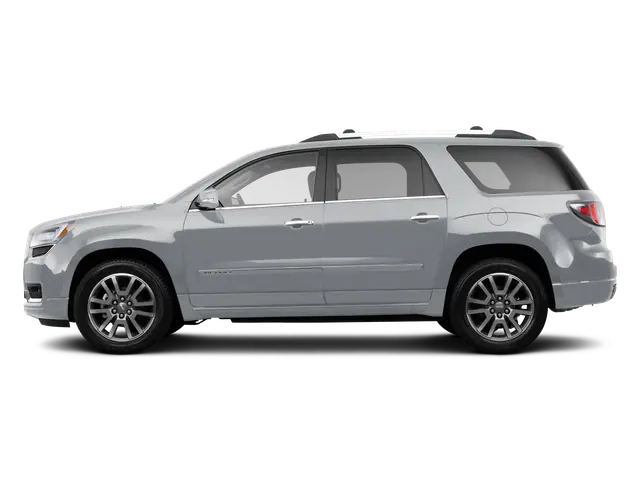
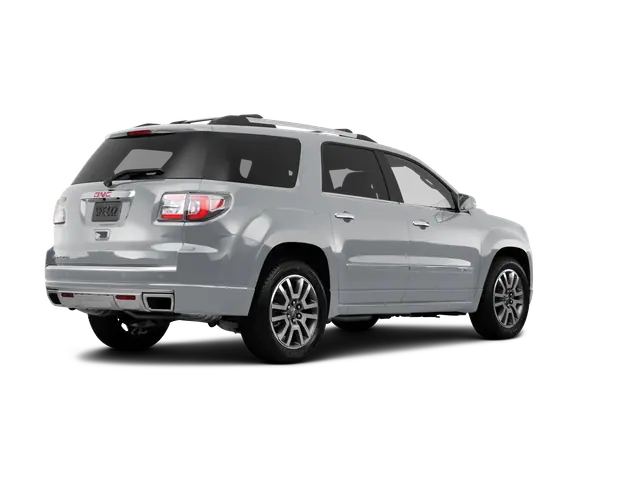
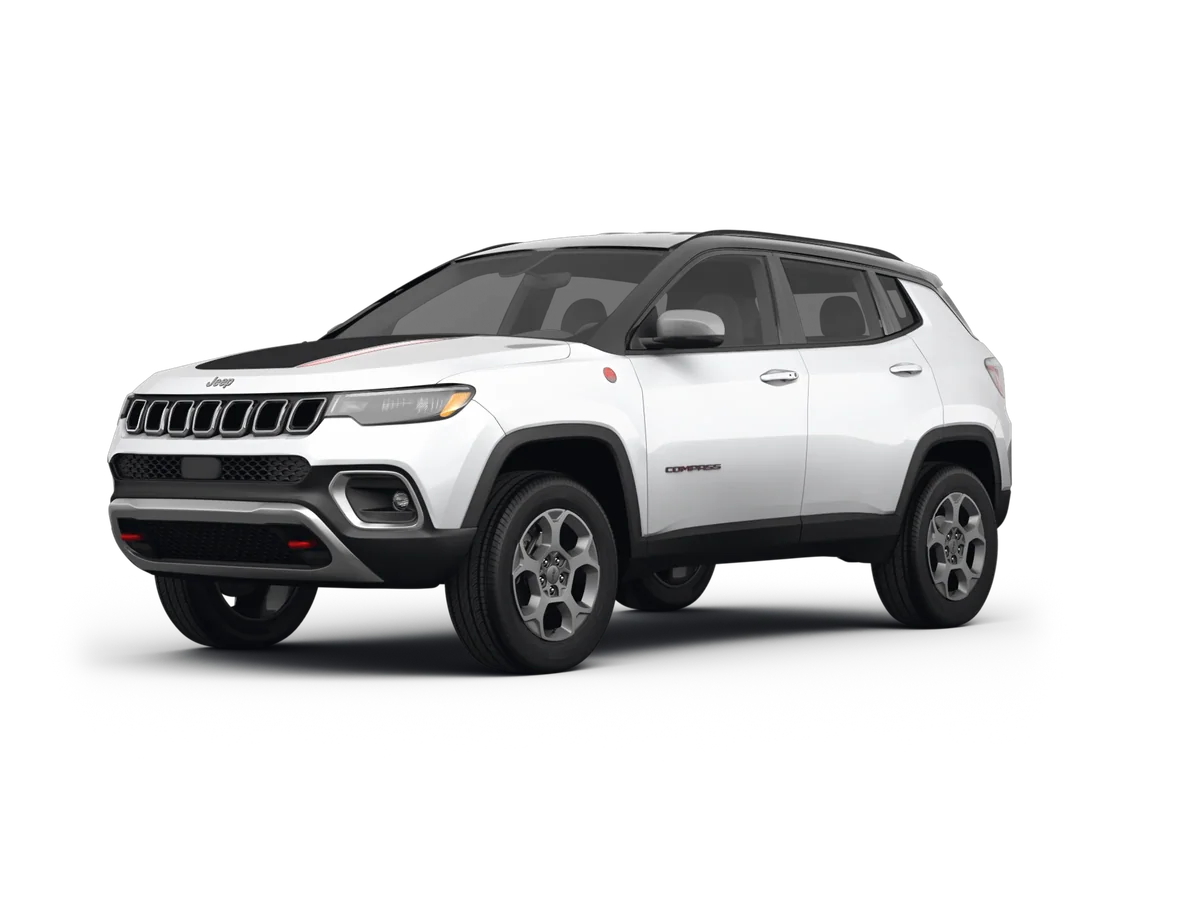
Denali · 137,879 miles
Just arrived
Not priced yet
Still being appraised. Ask now and you see the number before it is listed.
We use cookies and similar technologies to enhance site functionality, analyze traffic, and personalize ads. You can accept, decline, or customize your settings. By using this site, you agree to our Privacy Policy.
We sell inexpensive cars — reconditioned to the same standard as everything else. Here are the real repair costs, the questions to ask any seller, and a free inspection on any car you're considering.
A cheap car is not the problem. An unreconditioned one is. Four tires run about $972. Front brakes run about $994 — $1,966 owed before a single thing has actually broken, and none of it in the price that made the car look like a deal. Ours is already spent: every car clears a 151-point standard in our own shop before it is listed, whatever it costs, so that work is in the price you finance instead of a bill that turns up three months later.
On the lot today
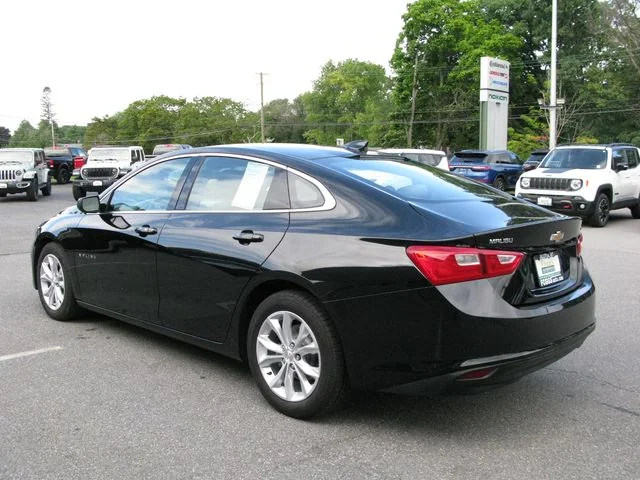
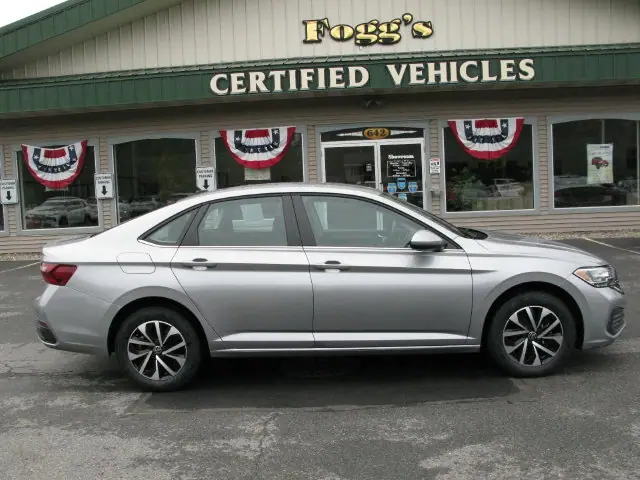
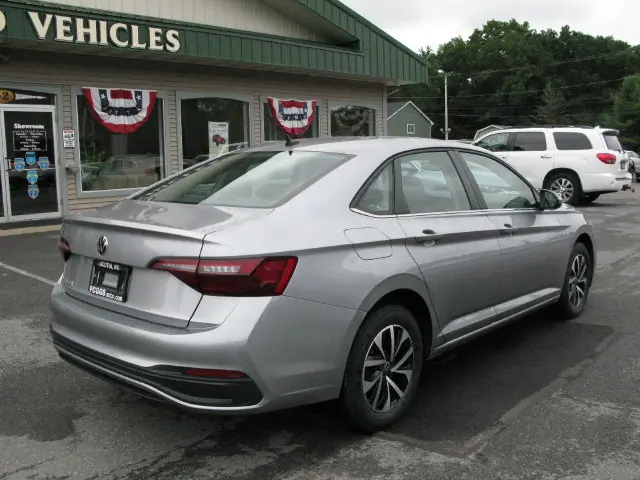
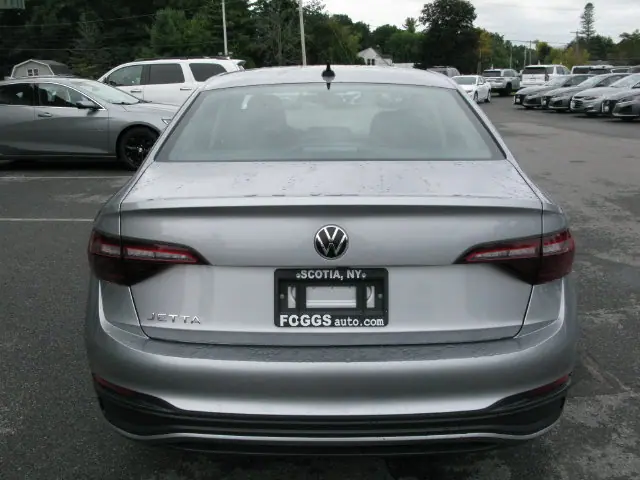
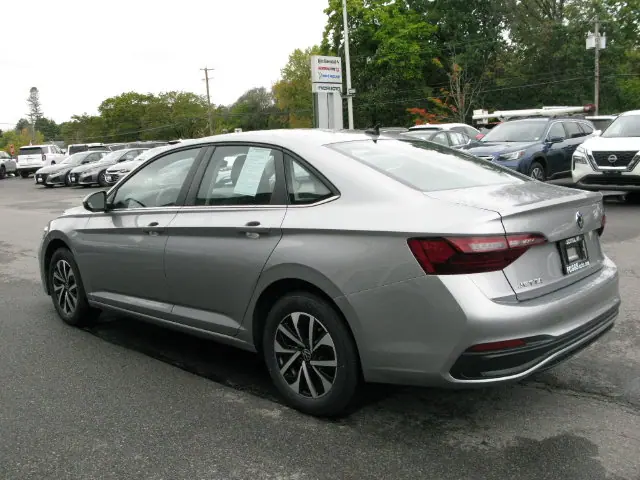
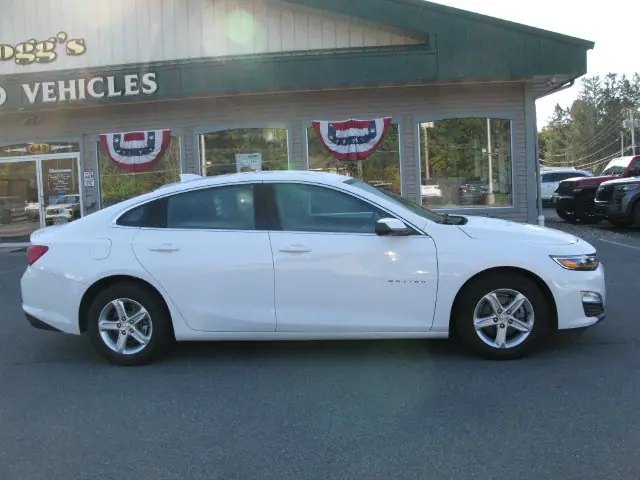
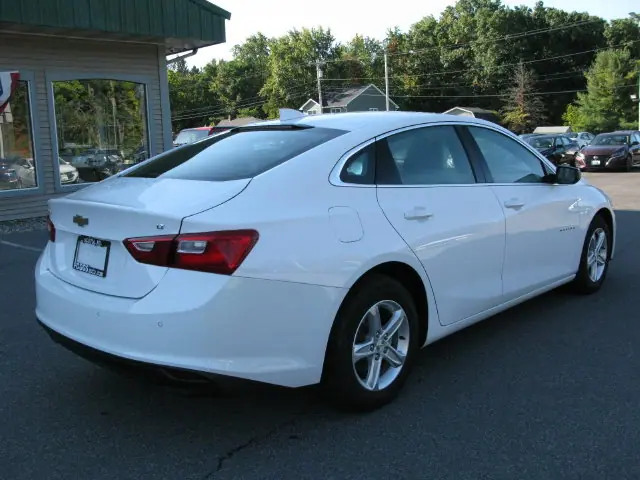
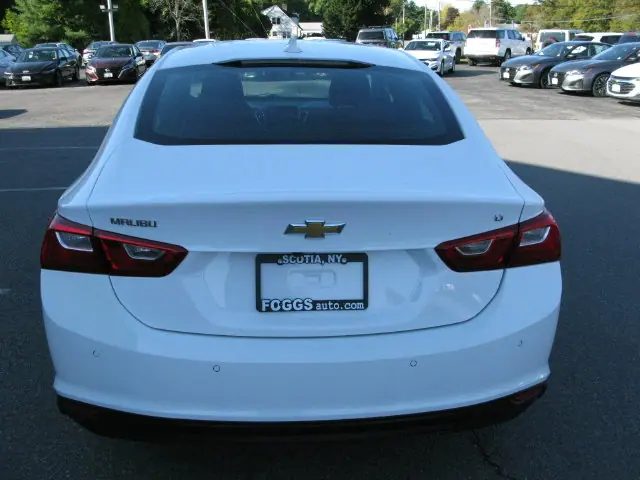
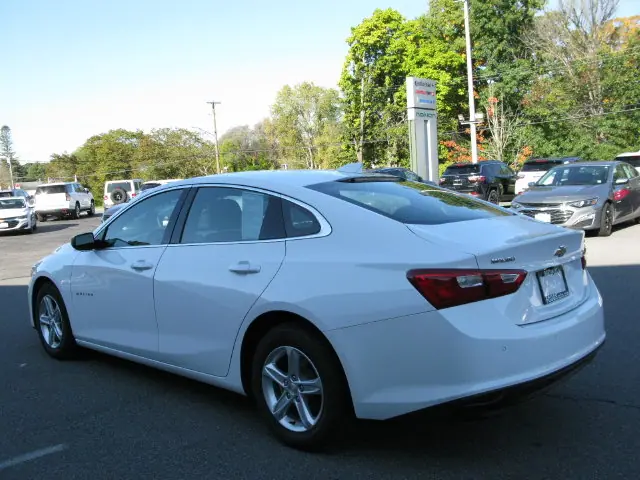
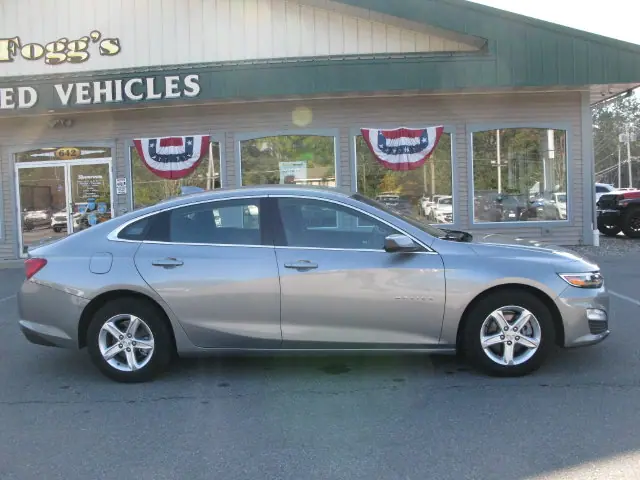
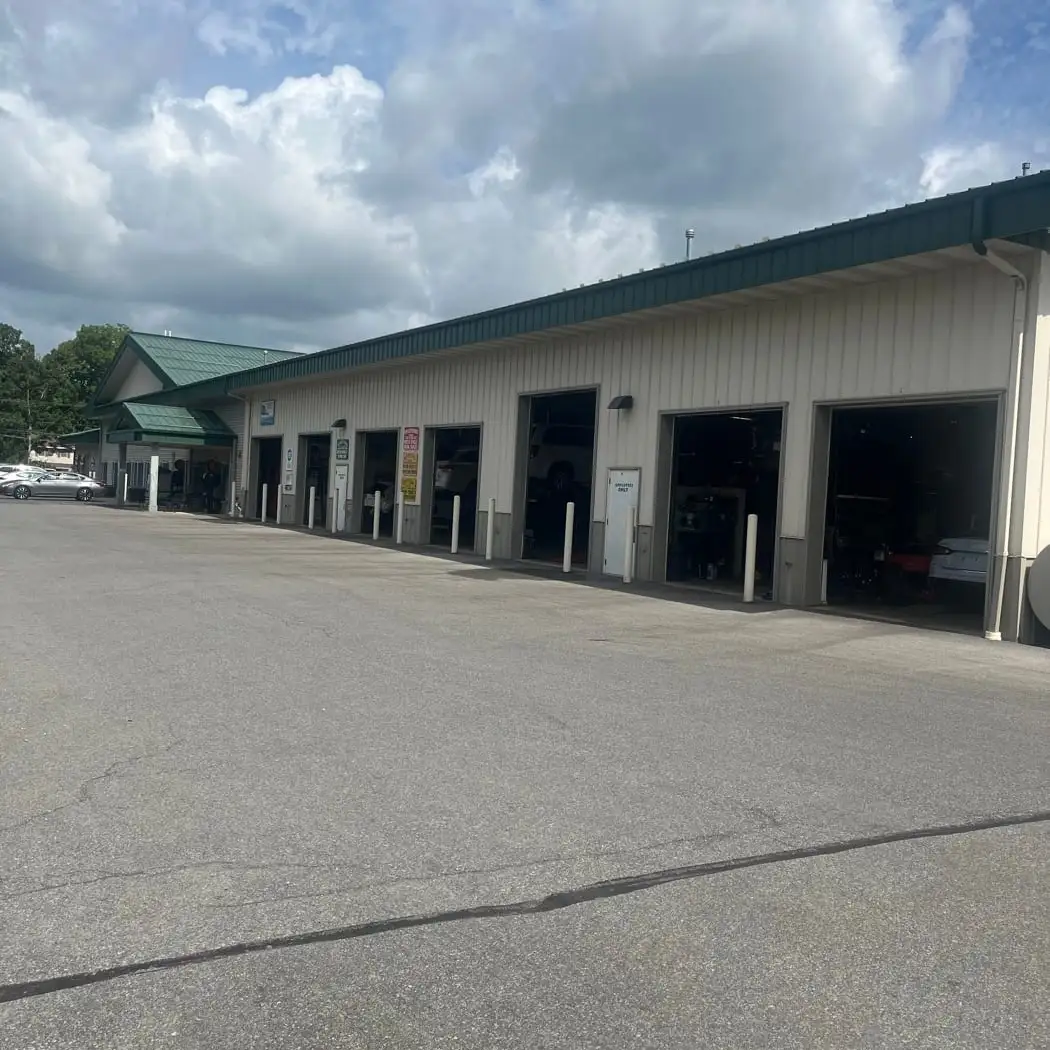
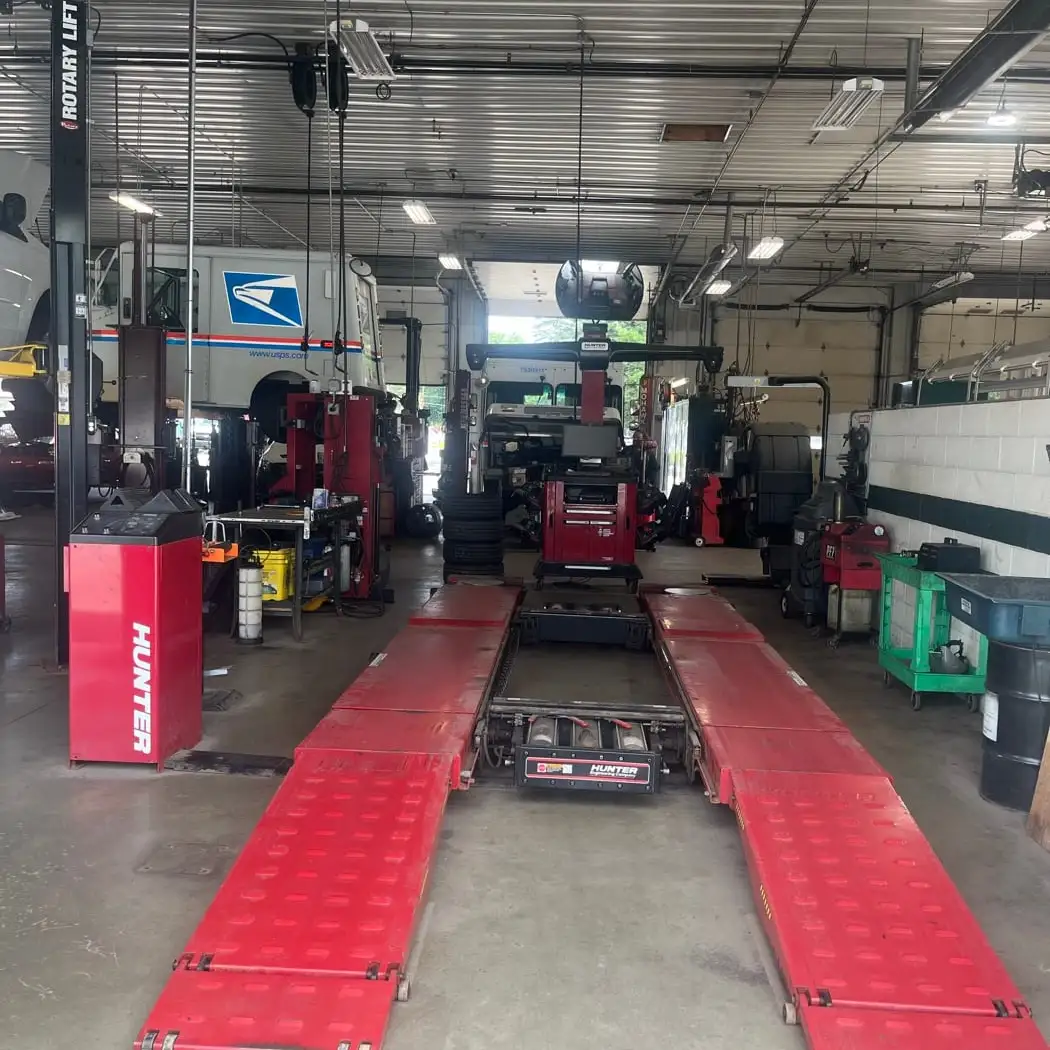
Every one of them cleared the same 151-point reconditioning in our own shop before it was listed — 28,000 square feet, 25 lifts, our own technicians. The standard does not drop at the bottom of the lot, which is the only reason we are willing to put the entry price in writing.
Financing is arranged through banks and credit unions across every credit tier, and we finance the majority of customers who apply — so the question is which of these cars you want, not whether anyone will write the loan.
By price band, right now
Counts come from live inventory, so a band only appears while we have cars in it. The inexpensive end of the lot turns over fastest — if a band is missing today, it is worth checking back.
Cheapest first, and the reconditioning is already in the price. not a bill waiting three months out.
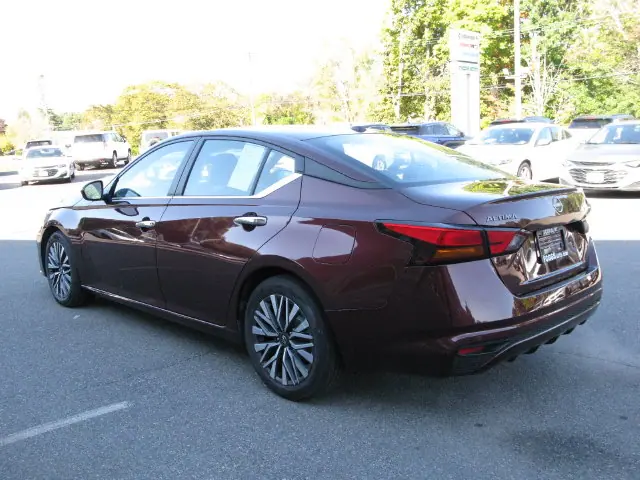
Denali · 137,879 miles
Just arrived
Not priced yet
Still being appraised. Ask now and you see the number before it is listed.
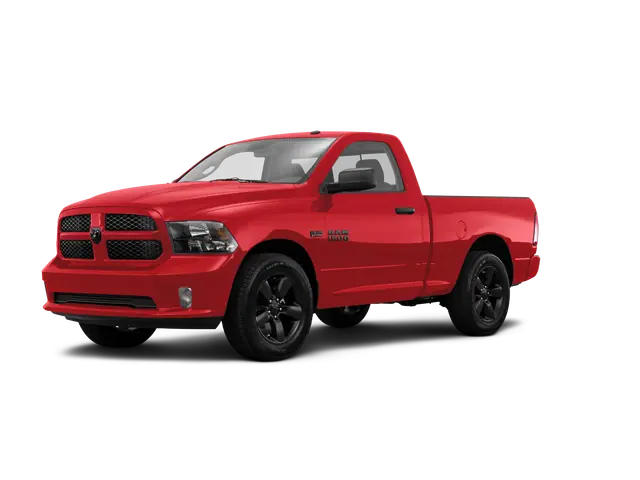
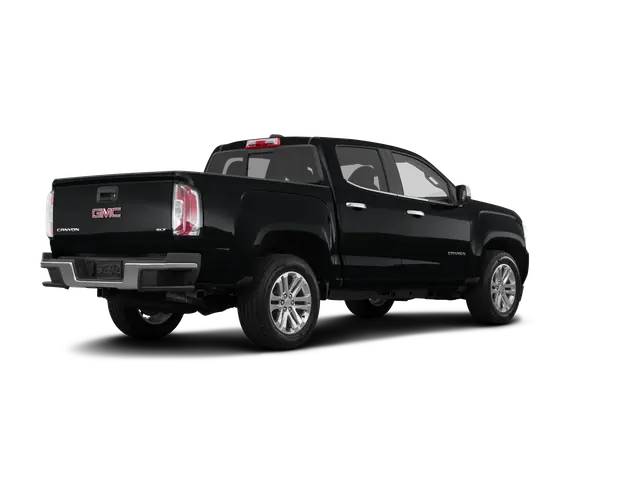
Sport · 164,592 miles
Just arrived
Not priced yet
Still being appraised. Ask now and you see the number before it is listed.
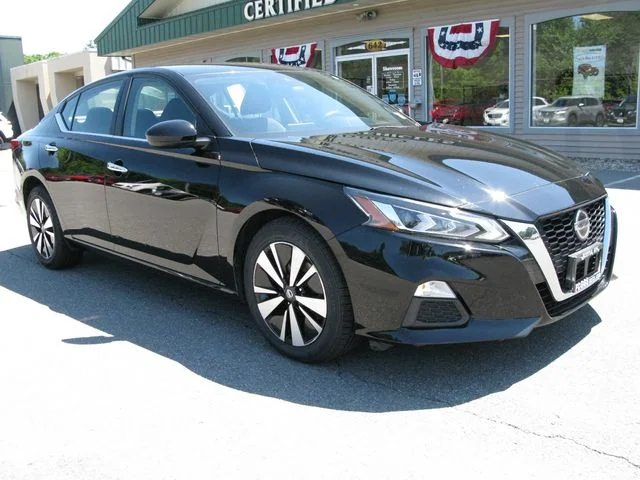
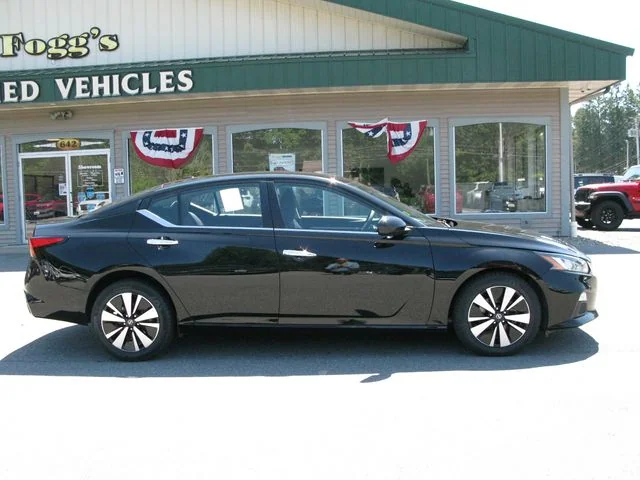
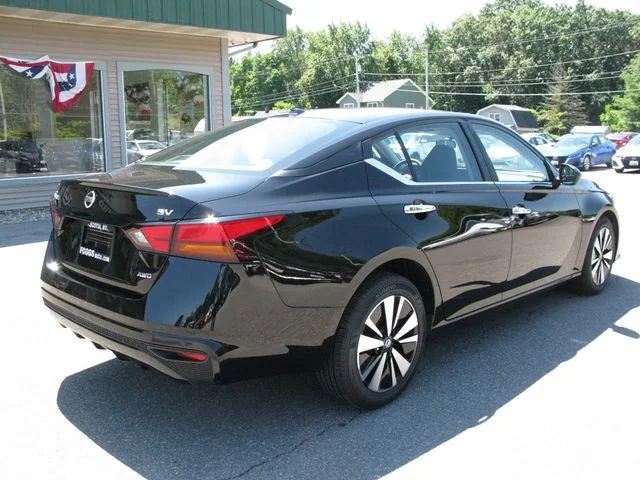
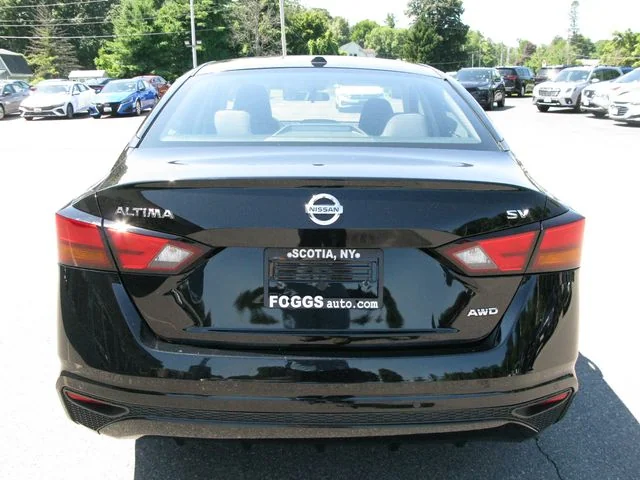
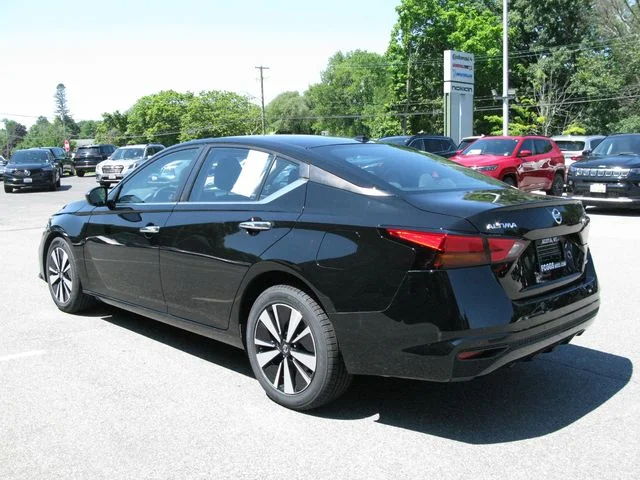
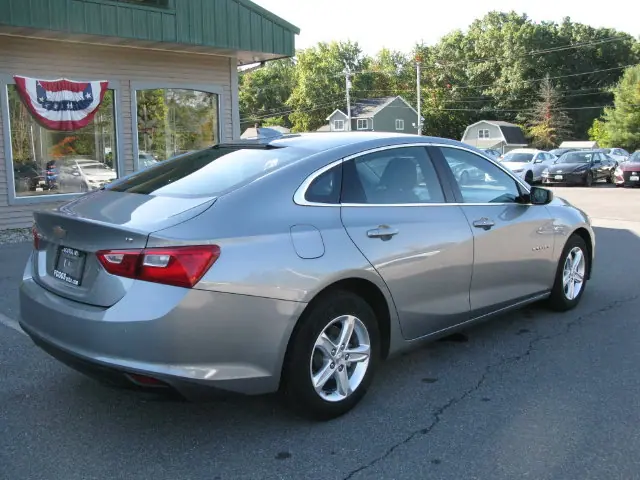
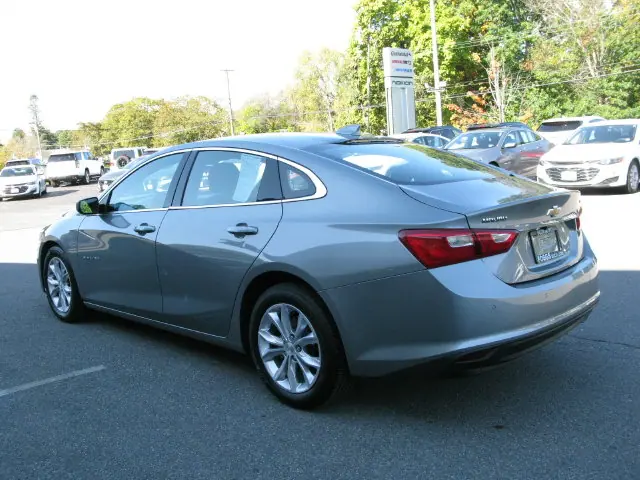
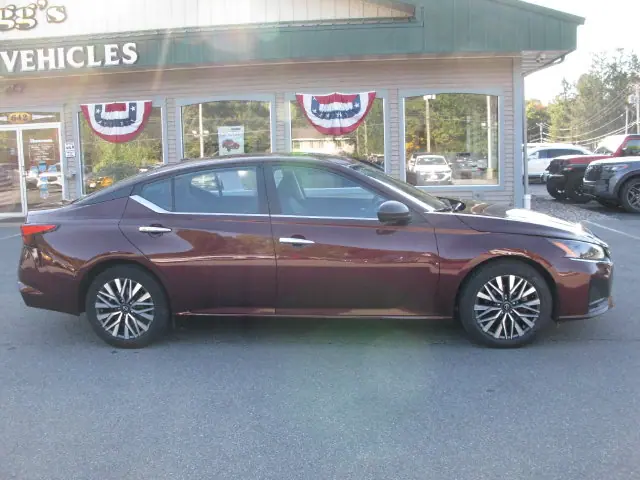
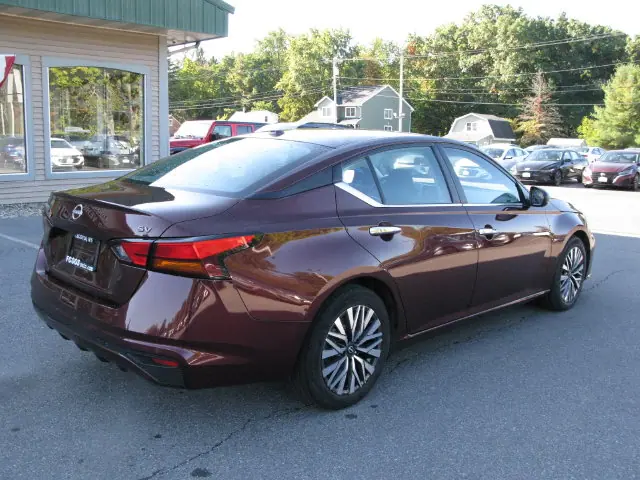
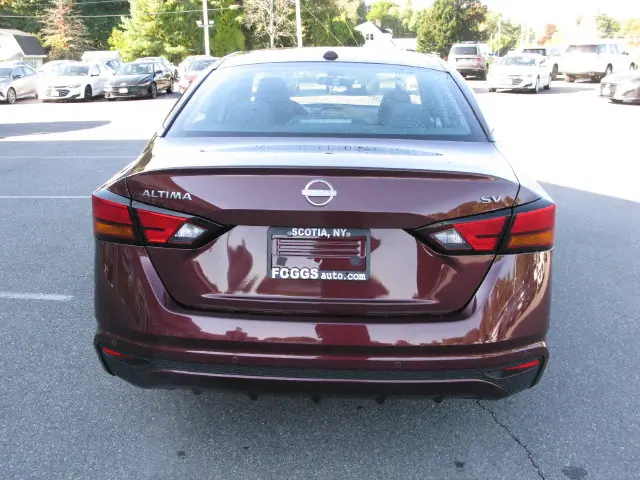
2.5 SV · 84,424 miles
$17,153
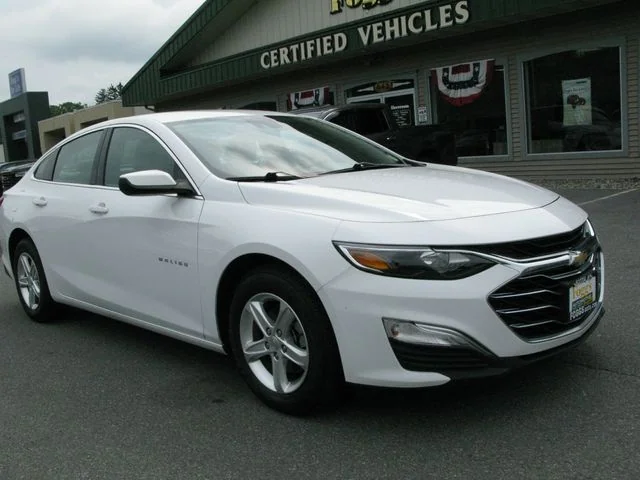
LS Fleet · 75,136 miles
$18,153
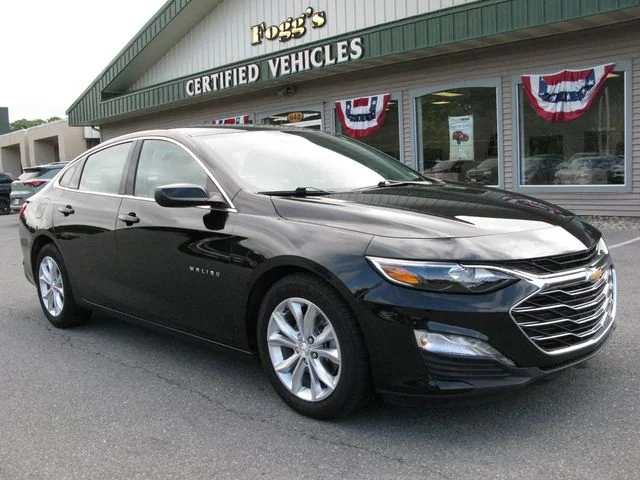
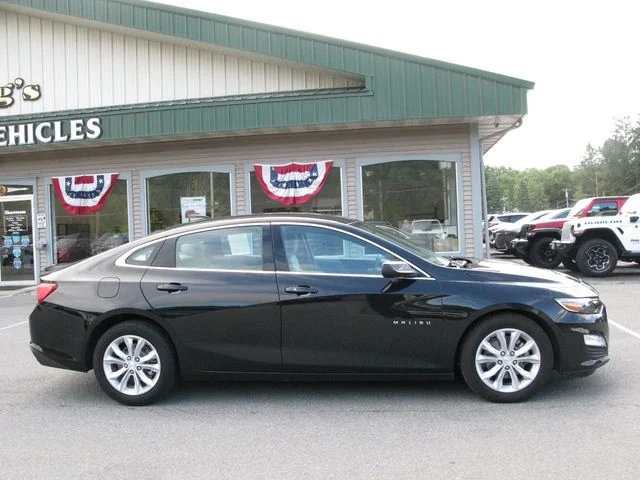
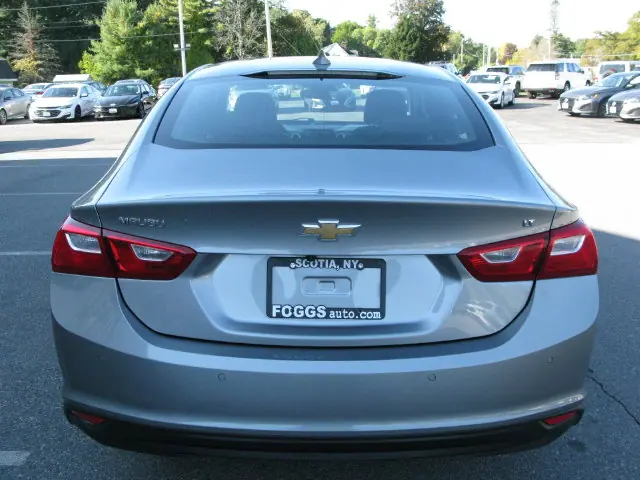
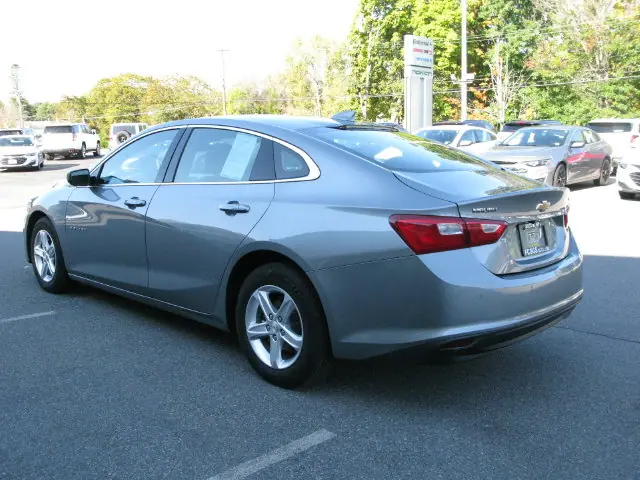
LT · 57,129 miles
$18,153
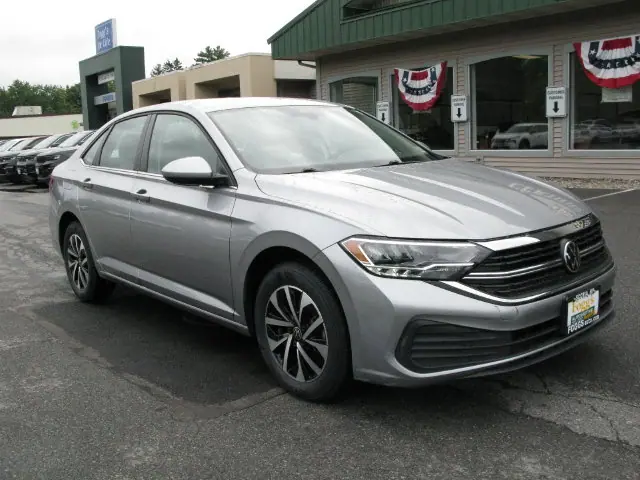
S · 45,801 miles
$18,978
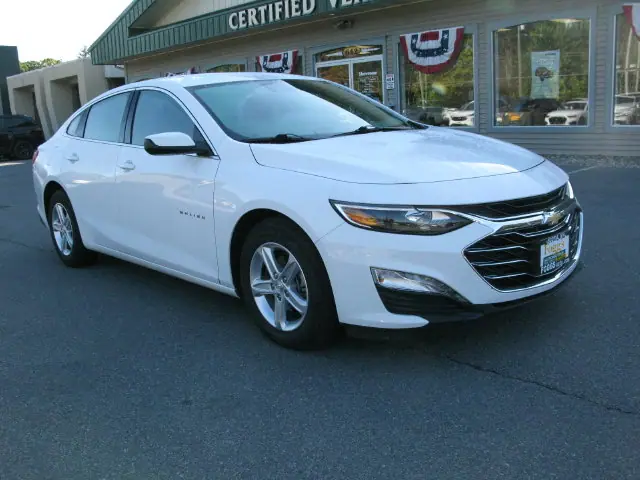
LT · 62,427 miles
$19,978
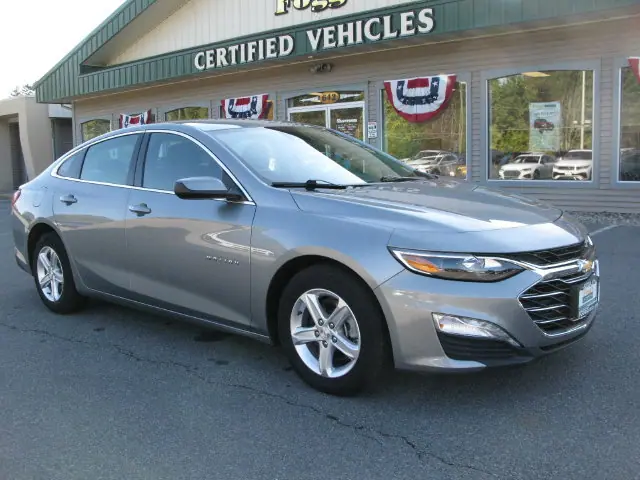
LT · 60,164 miles
$19,978
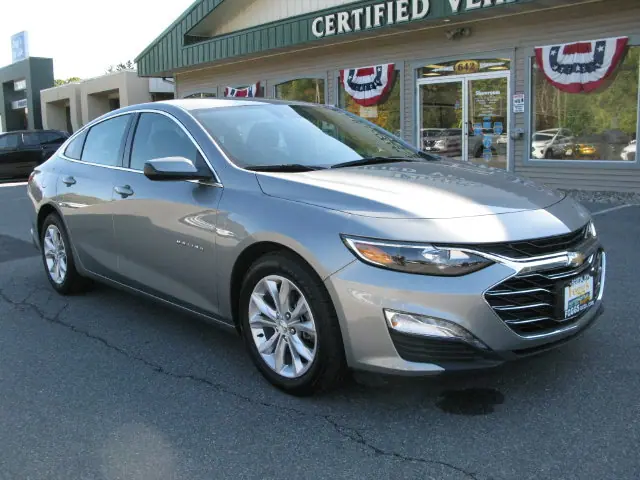
LT · 53,616 miles
$19,978
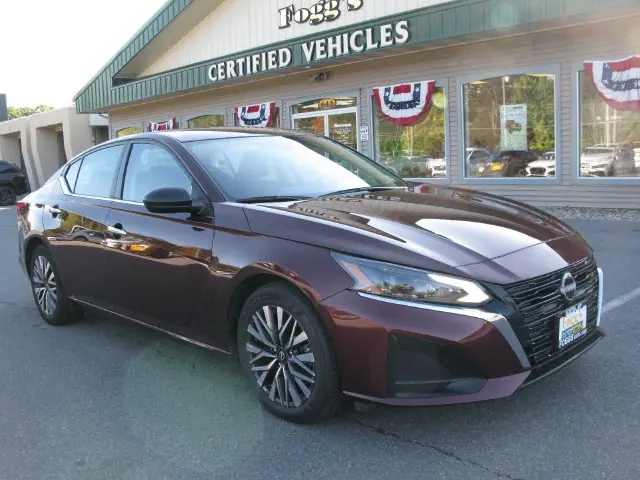
2.5 SV · 56,567 miles
$19,978
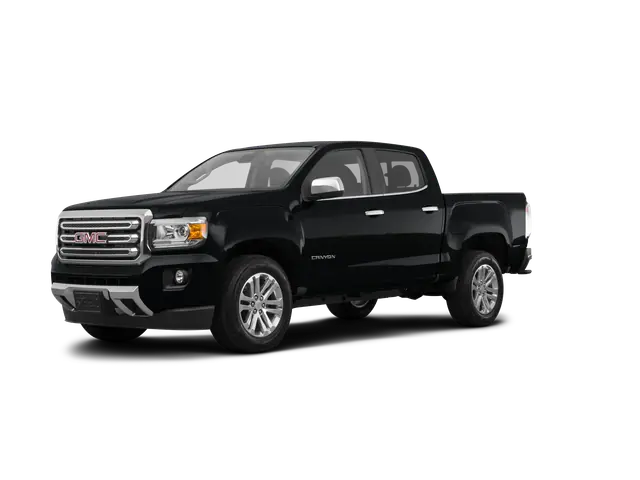
SLT · 113,918 miles
$19,978
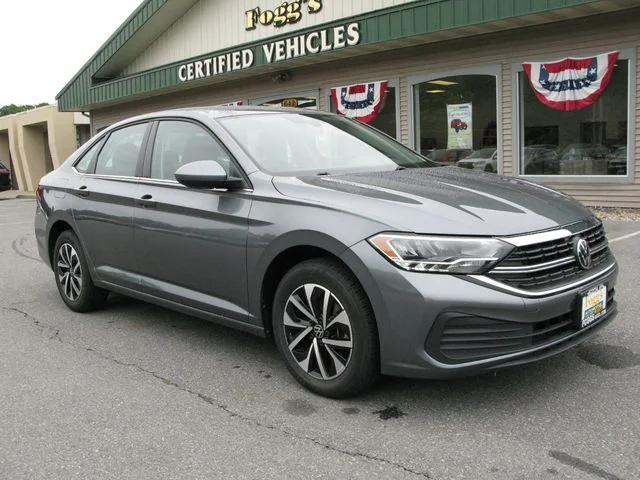
S · 47,091 miles
$20,153
A lower sticker price gets financed into the payment. Repairs don't — tires, brakes and engine work come out of pocket, all at once, on a day the car picks for you.
$3,291
A cheap car
+ $165/mo
$1,325
From us
+ $268/mo
Saving $103 a month feels like winning — right up until the first repair bill. A cylinder head wipes out 46 months of that saving instantly, and it comes out of your pocket just as fast.
One payment
$268/mo
On $15,000 with $2,000 down, 72 months at 14.03% APR.
The cheap car is $165/mo — and $3,291 out of pocket in the first year, against $1,325 here. That $1,966 gap is repairs, and none of it builds anything.
Engine work is what ends these cars — a head gasket runs $2,538 to $3,337 fitted, a cylinder head $4,309 to $5,176, more by then than the car is worth. On qualifying vehicles under 85,000 miles, ours is covered for as long as you own it — and AAA prices exactly that kind of cover into its own running-cost figures, because it is not optional.
What the lifetime engine warranty coversAt Fogg's Automotive
A cheap car with no warranty
A comprehensive extended warranty
One set of replacement tires
Manufacturer-specified servicing
Wear-and-tear repairs
Four things happen to a vehicle between the day we buy it and the day you see it. The first one is the one that matters most, and it is the one you never get to watch.
Our own technicians go through every vehicle we are considering against a 151-point standard. Cars that need more work than they are worth do not make it to the lot — we send those to auction instead. That decision happens before a buyer ever sees the car, and it is the one that matters most.
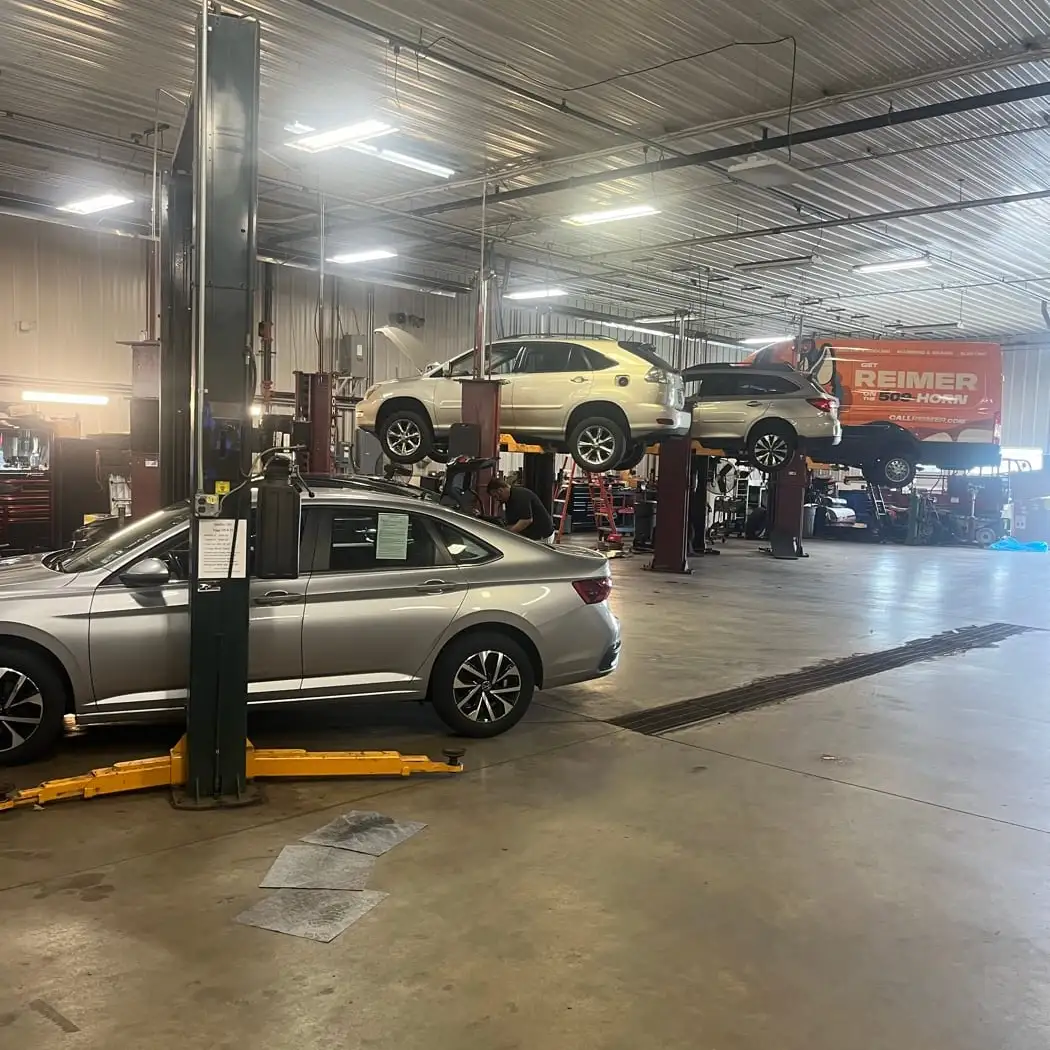
Tires, brakes, fluids, belts, filters and any scheduled service that is due. We replace any tire at or below 5/32 of an inch — New York only requires 2/32 — and the tires we fit start at 10/32. The work is done in our own shop before the car is photographed and listed.
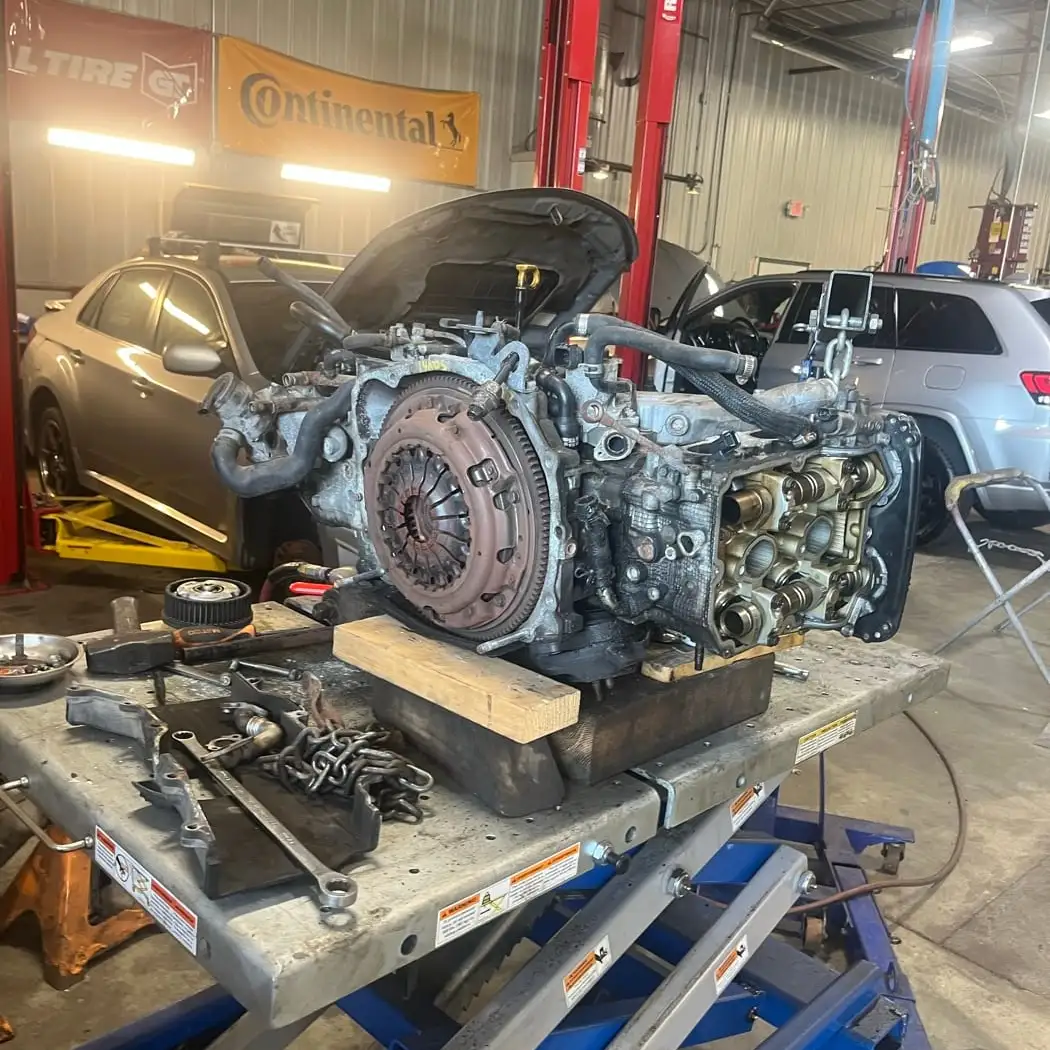
Brakes, tires, battery and suspension. In this climate those are safety items for most of the year. A worn brake line found in our service bay is a repair. The same one found on Route 50 in January is an accident.

The cost of that reconditioning is included in the price of the car. It is why our cars cost more than an unreconditioned car at another lot, and why you are not buying tires and brakes a month after you drive it home.

Good cheap cars do exist — we buy them ourselves when we find them. If you think you have found one on another lot, bring it in before you sign anything. We will put it on a lift, our own technicians will go through it, and we will tell you exactly what we see. Free, no obligation, and no expectation that you buy from us. We would rather you knew whether it was the deal it looks like.
Undercarriage, suspension, exhaust, brake lines and frame. Most of what actually matters on a used car is not visible from a test drive or a walk-around.
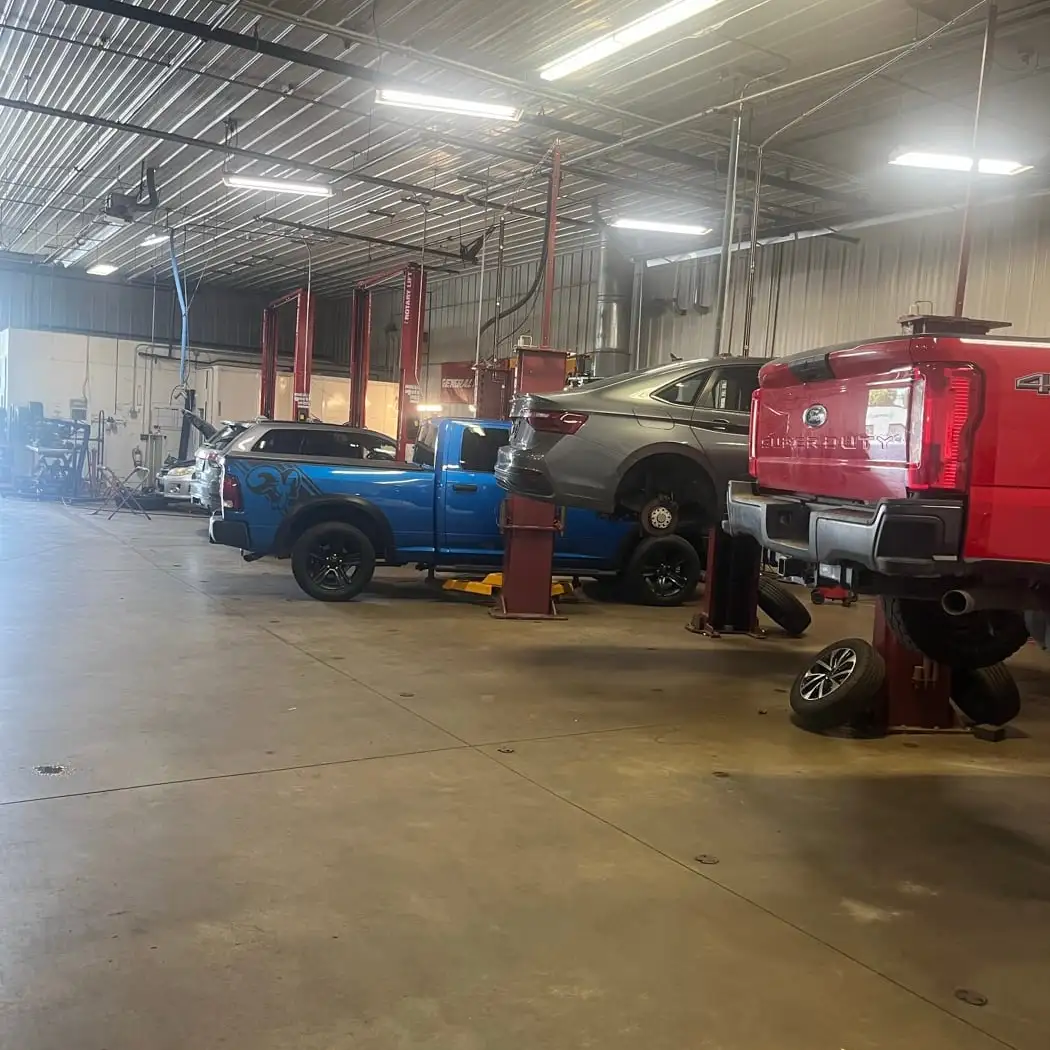
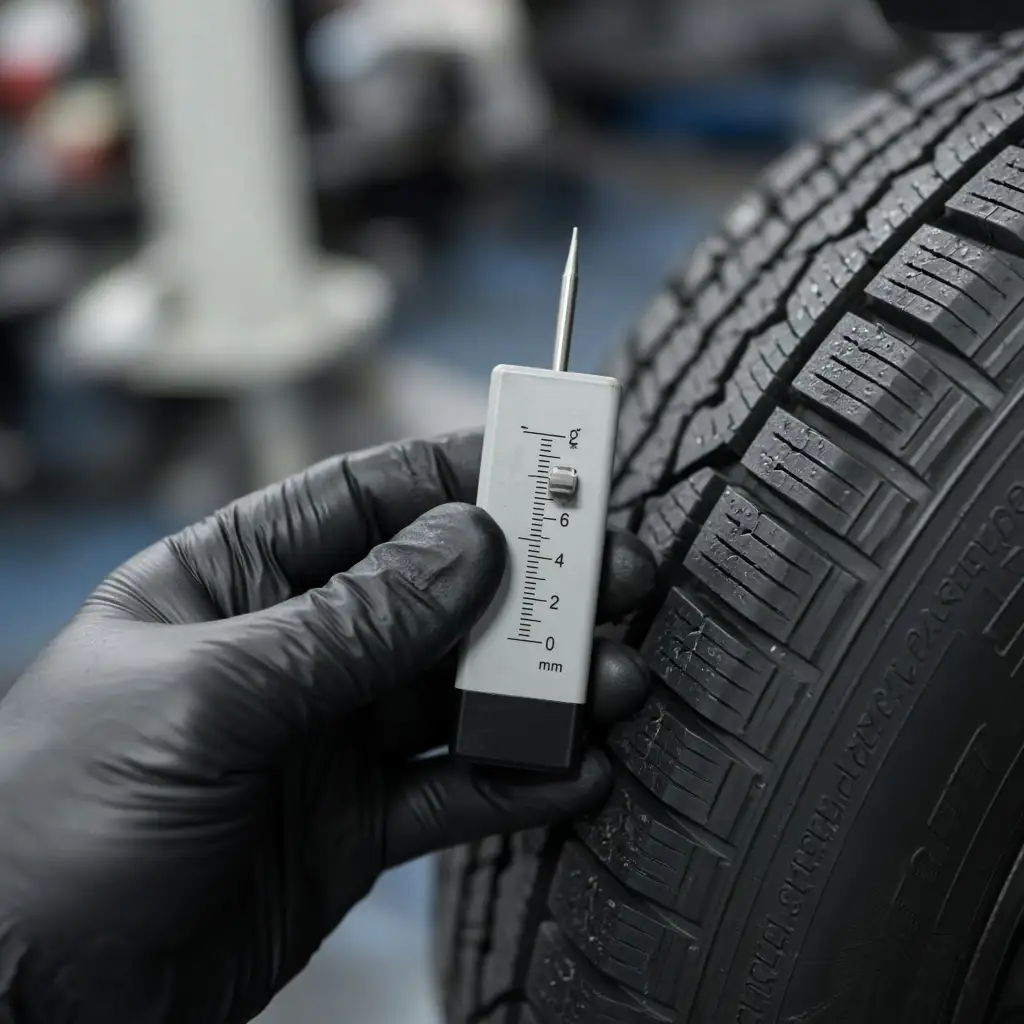
Tread depth in 32nds, brake material, fluid condition. Numbers, written down — the kind you can take back to the seller and negotiate with.
The same people who decide whether a car is good enough to go on our lot are the ones looking at the car you found on somebody else's.
Not just what is broken today. What we would have put right before we would have been willing to put our own name on the car.
You are probably going to look at cars somewhere other than here, and you should. Take these with you. The answers tell you more about a dealership than the car does.
Any dealer that inspected the car produced one — usually a multi-point inspection, or MPI. The sheet is not the point. The point is whether the items on it were fixed or just written down.
A good answer. They hand it over, along with the repair orders showing what was actually done.
Most used inventory comes through a wholesale auction, where every car is graded 1.0 to 5.0 and the inspector announces structural damage, prior paint, mileage discrepancies and title problems. If they bought it that way, they have seen the report.
A good answer. They tell you the grade and read you the announcements. "We did not buy it at auction" is a fine answer too — then ask where it did come from.
New York passes a car at 2/32 of an inch. A new tire is 10 to 12/32, so a car can legally pass inspection with about 80% of its tread gone — and it becomes your problem in the first wet month. For reference: we replace any tire at or below 5/32, and the tires we fit start at 10/32.
A good answer. A number for each tire. Not "the tires are good."
A fresh inspection done in the selling dealer's own shop the week before it was listed tells you something different from a sticker with ten months left from a shop two counties away.
A good answer. A date, and a straight answer about who performed it.
Every dealer says "fully serviced." That is a phrase, not a claim. Repair orders are the claim.
A good answer. They show you the work orders. Vague answers here usually mean the number is small.
This one is a test with a single correct response. A dealer confident in the car has no reason to say no to an independent pre-purchase inspection.
A good answer. Yes — and they help you arrange it.
The work is already done. The cheapest car on our lot, like everything else here, cleared the same 151-point reconditioning in our own shop before it was listed — the tires, the brakes, the fluids and whatever scheduled service was due. That is the whole difference. A cheap car is not a risk; a cheap car nobody reconditioned is, because the work does not disappear when it is skipped, it just waits for you.
On the sticker, often yes. The difference is what form the rest of the money takes. A set of tires and a front brake job is about $1,966 that has to exist in cash, on a day you did not pick — and on a car that was priced low by skipping them, it is not a question of whether, only when. Ours is financed into the payment instead, already spent, at the same reconditioning standard whatever the price band. Compare the two numbers over three years rather than on the windscreen.
Because one of them builds something and the other does not. Fogg's arranges financing through banks and credit unions rather than in-house, so every on-time payment reports to the credit bureaus, and payment history is roughly 35% of a FICO score — the largest single factor. Reconditioning that sits inside that payment is doing double duty. A repair bill reports to nobody, and put on a credit card it raises the utilisation that makes up about another 30% of the score.
The Fogg's For Life lifetime engine limited warranty is standard on qualifying vehicles under 85,000 miles at the time of purchase, it lasts as long as you own the vehicle, and it requires you to keep to the manufacturer's maintenance schedule. It covers the engine. It is not a bumper-to-bumper policy and it does not cover a transmission — which is why the transmission line in the calculator appears on both sides.
No. Bring us a car you are considering from any other seller and we will put it on a lift and go through it at no charge, with no obligation. We would rather you bought a good car somewhere else than a bad one anywhere.
Third parties, not us. Tire pricing is the Consumer Reports member survey updated October 2025. Brake, timing belt, timing chain, head gasket, cylinder head and transmission figures are RepairPal's national estimator ranges. The upkeep benchmark is AAA's Your Driving Costs 2025. Every figure is parts and labour installed, we use the midpoint of each published range rather than the top, and all of it is listed with links at the bottom of this page.
Sources
Every repair figure on this page is parts and labour, installed — never a parts price with the fitting left off — and we use the midpoint of each published range rather than the top.
*Fogg's For Life lifetime engine limited warranty is standard on qualifying vehicles under 85,000 miles at the time of purchase and requires adherence to the manufacturer's recommended maintenance schedule. It covers the engine; it is not a bumper-to-bumper policy. Repair figures are national estimator ranges and vary by vehicle, location and shop. Advertised prices exclude tax, title, registration and a $175.00 documentary fee.
Bring this page with you. Ask what we did to the car before it was listed, and ask to see the shop it was done in.