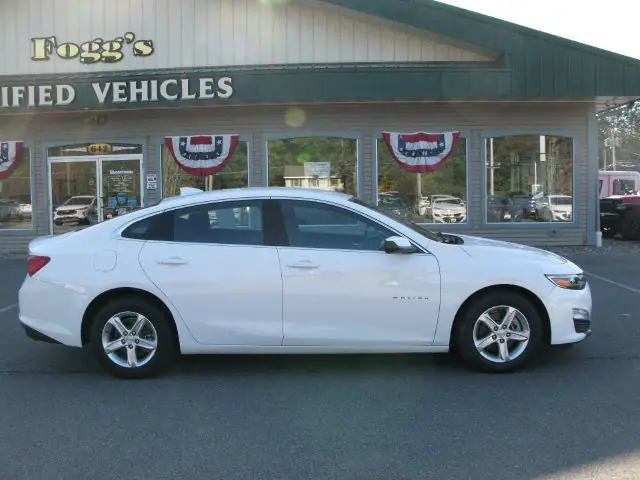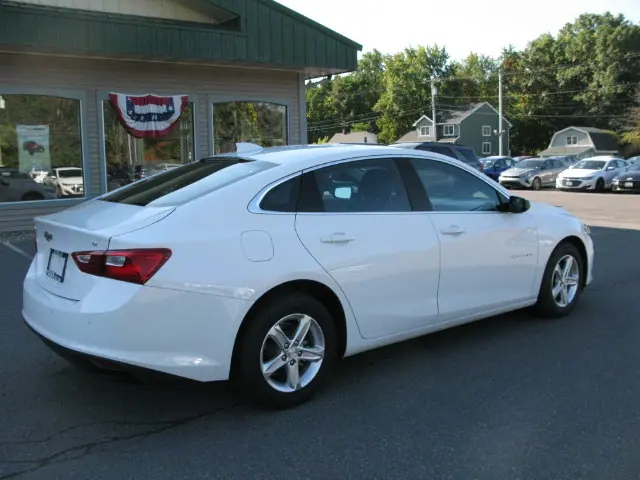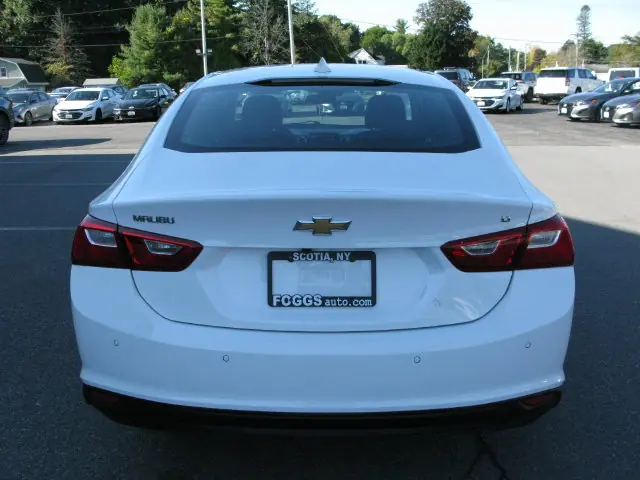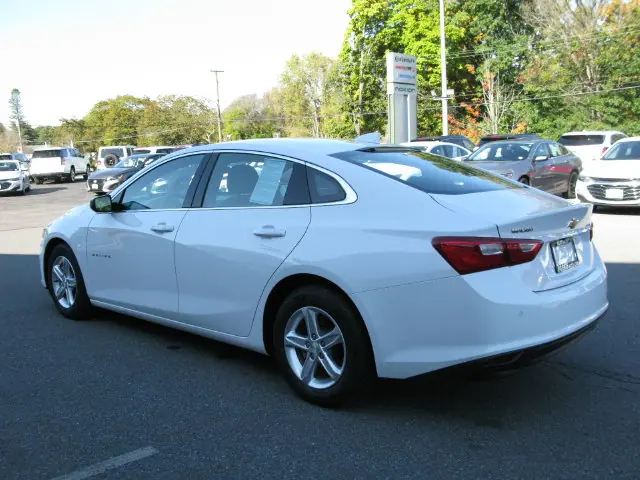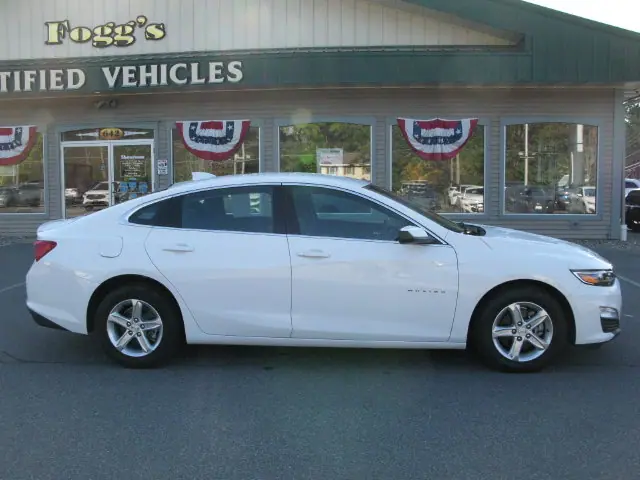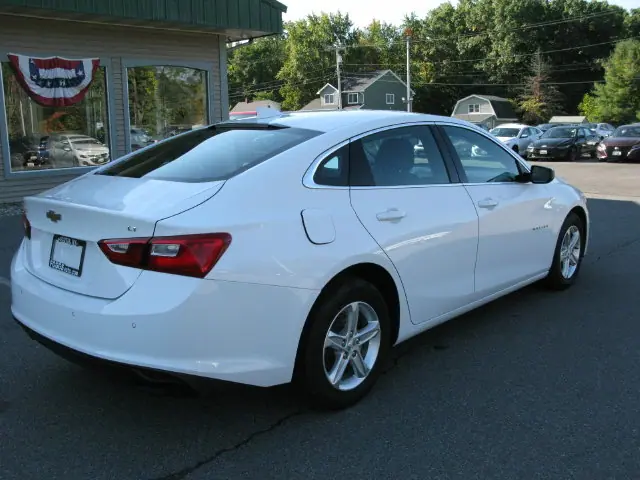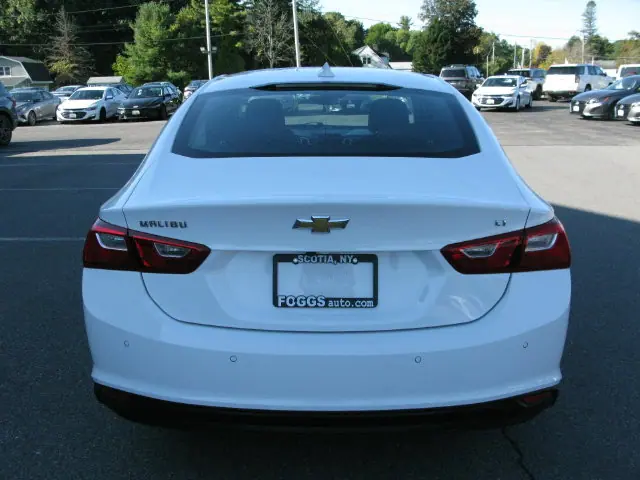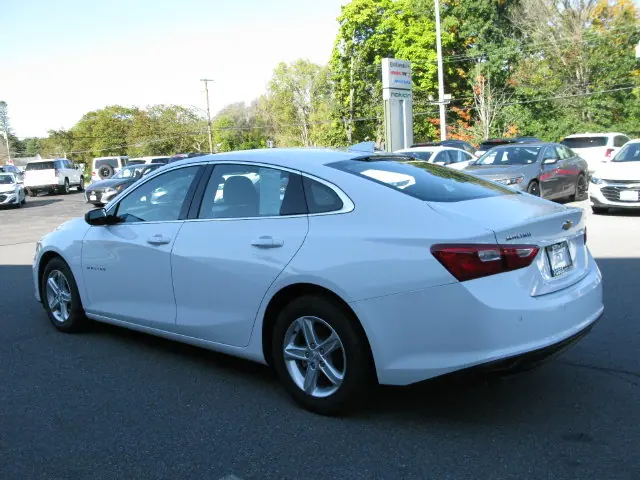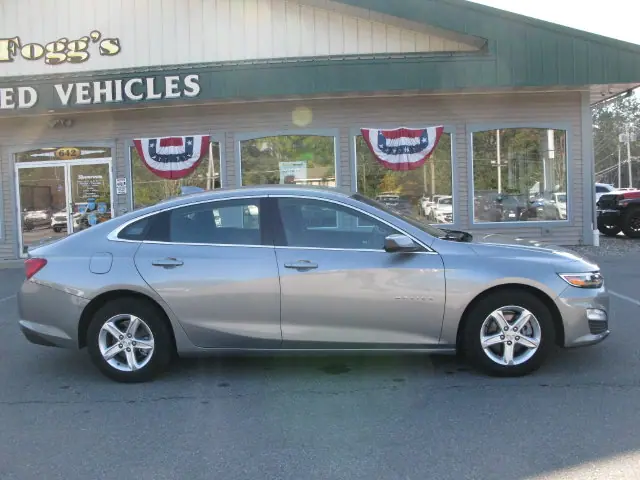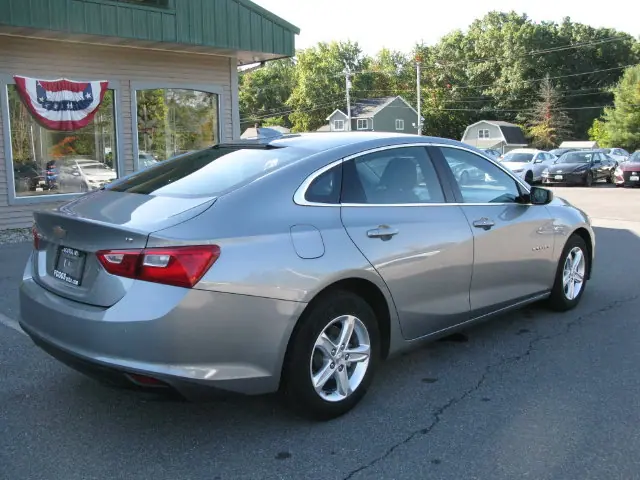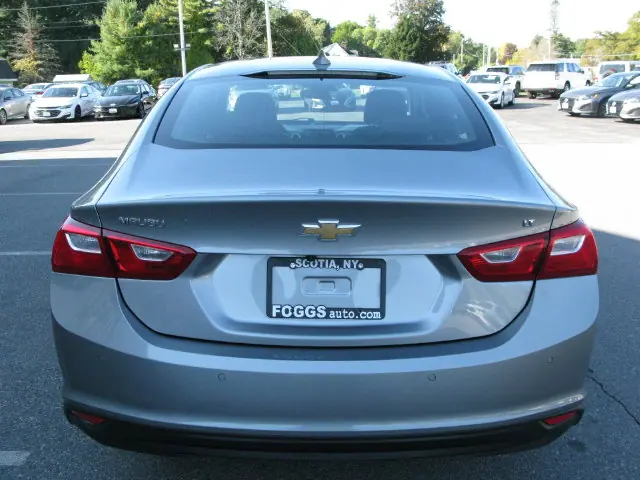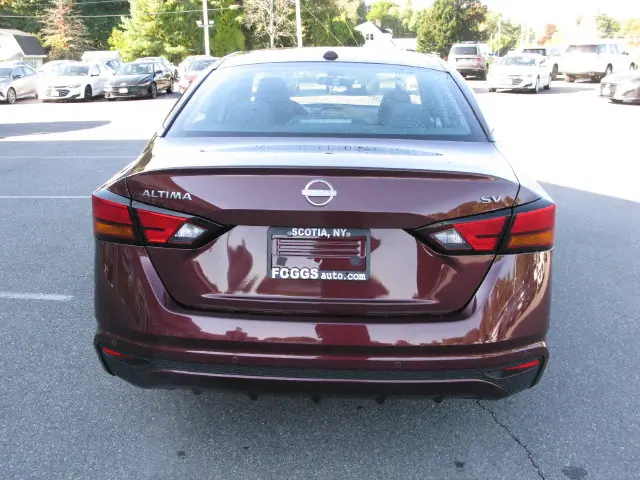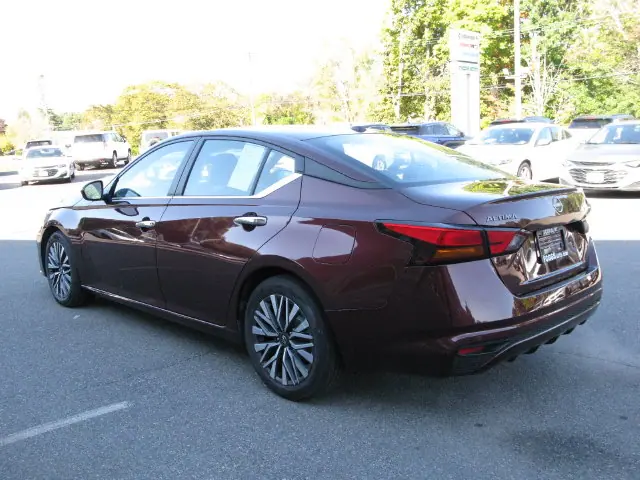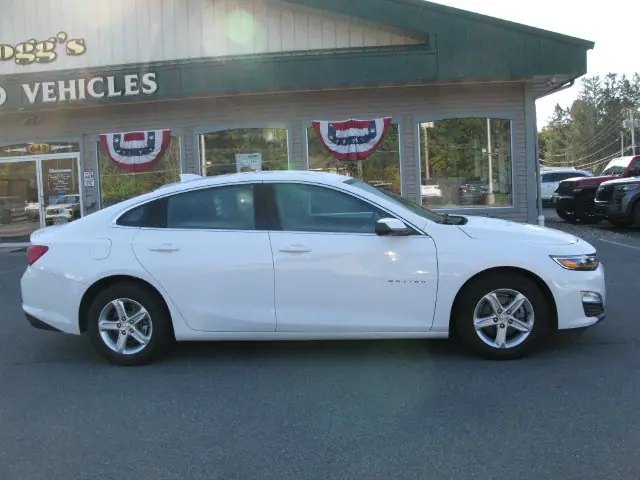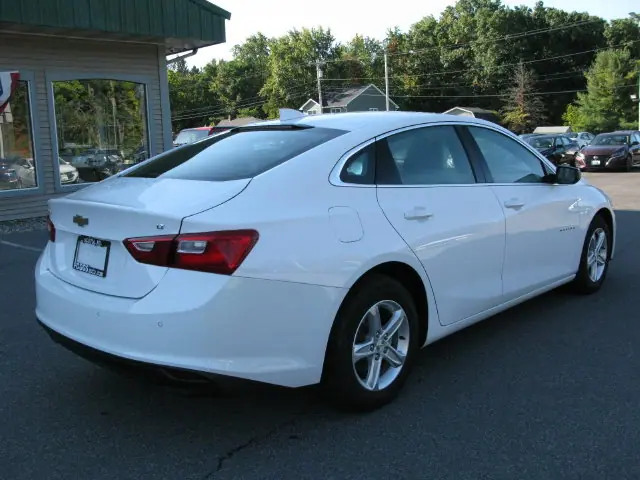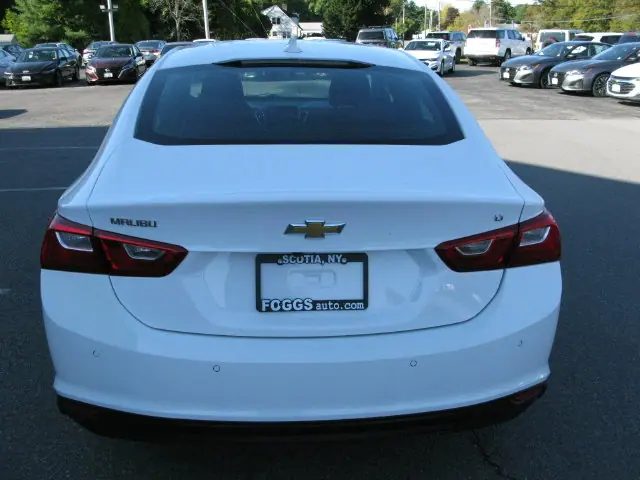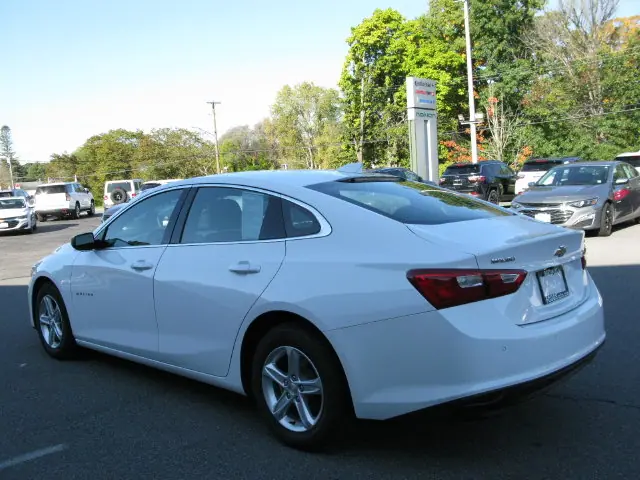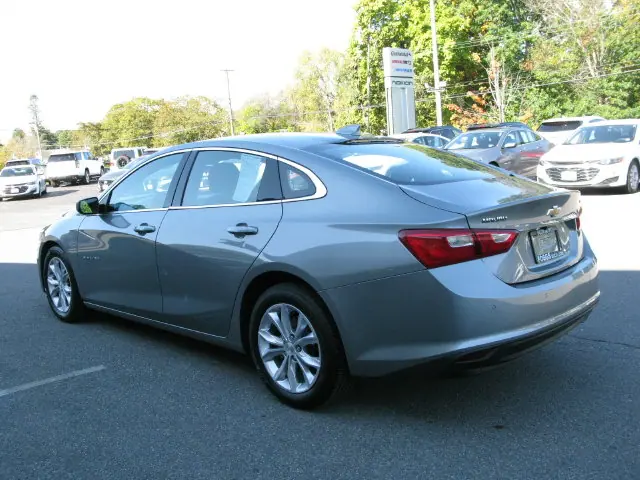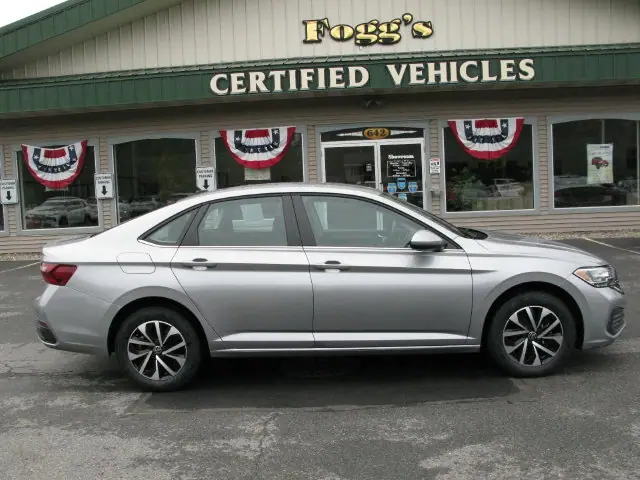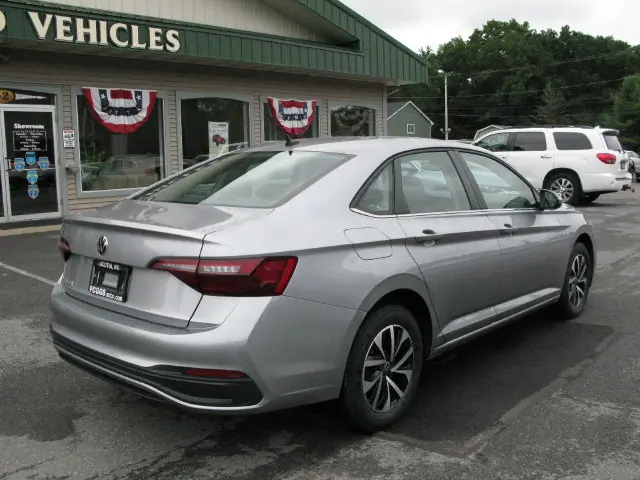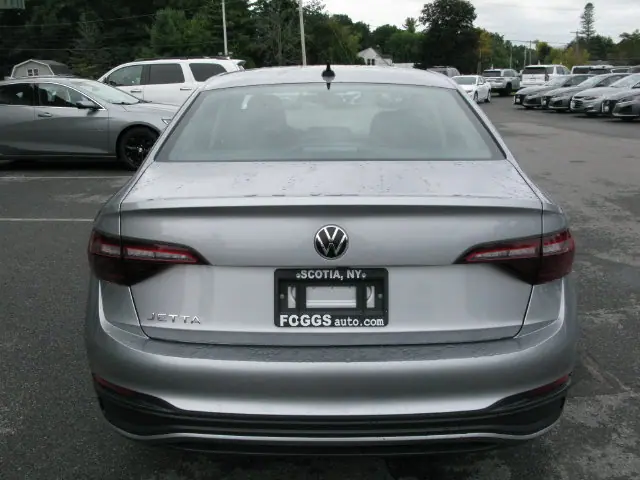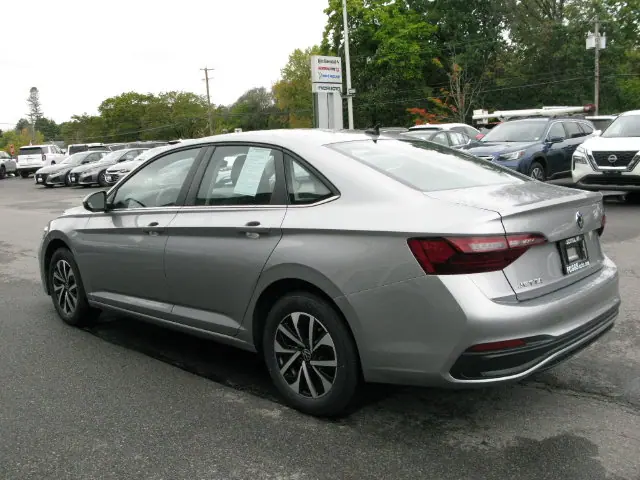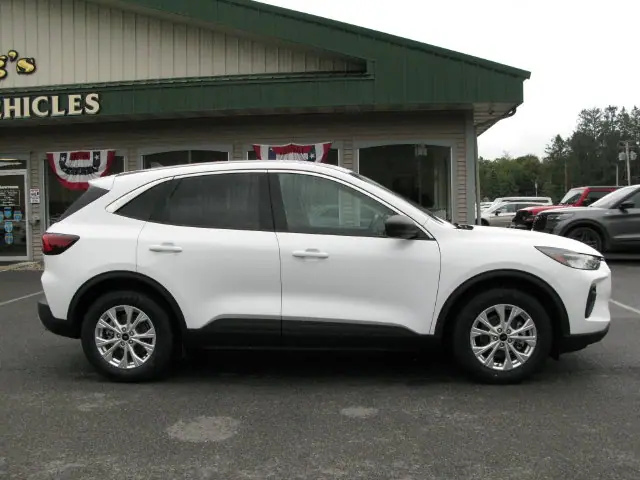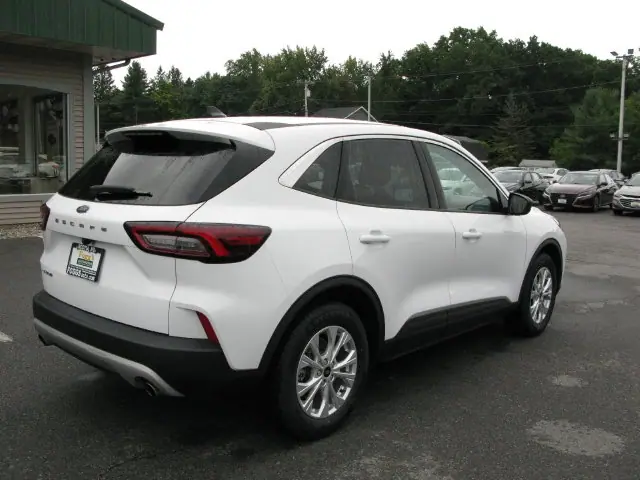
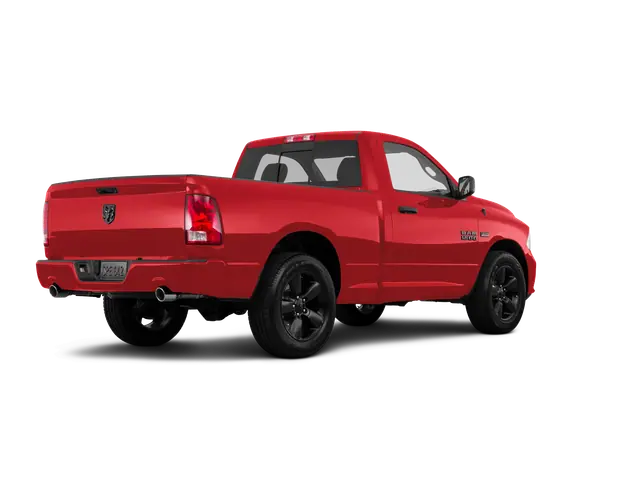
New this week
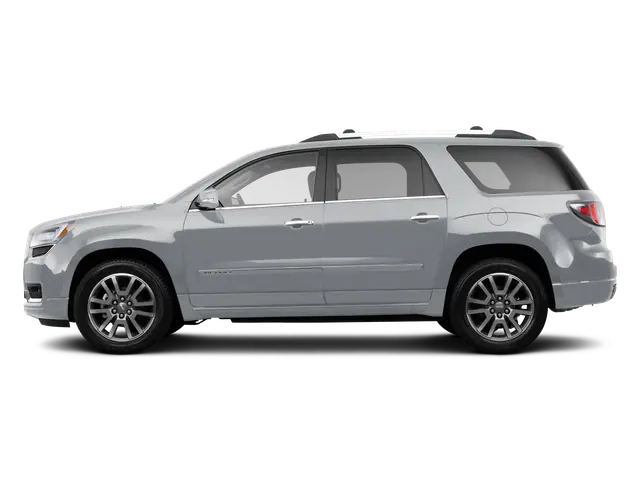
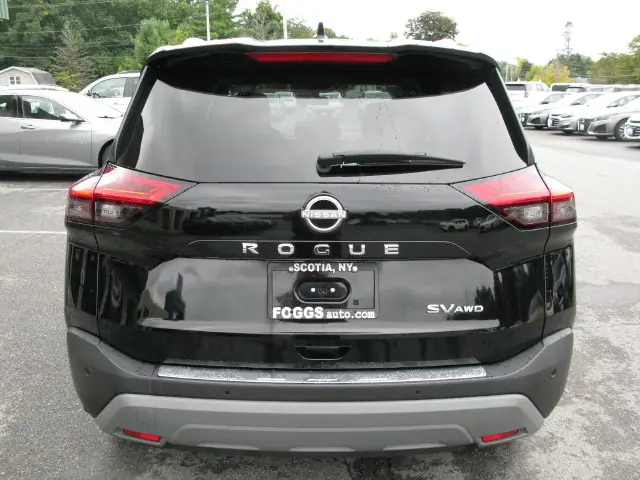
Sport · 164,592 miles
Just arrived
Not priced yet
Still being appraised. Ask now and you see the number before it is listed.
We use cookies and similar technologies to enhance site functionality, analyze traffic, and personalize ads. You can accept, decline, or customize your settings. By using this site, you agree to our Privacy Policy.
No score is not the same problem as a bad score, and lenders treat them differently. Here is what they read instead, what to bring, and which lever is actually worth pulling.
0
credit history required
Soft
check to pre-approve
1955
arranging loans since
No credit is not the same as bad credit — a score needs about six months of reported activity before it exists at all. Lenders underwrite first-time buyers on income, time on the job, your down payment and the vehicle itself. A co-signer is the strongest single lever; a bigger down payment is the strongest one that puts nobody else's credit at risk.
Reconditioned to the same 151-point standard as everything else on the lot, and most qualify for the lifetime engine warranty.
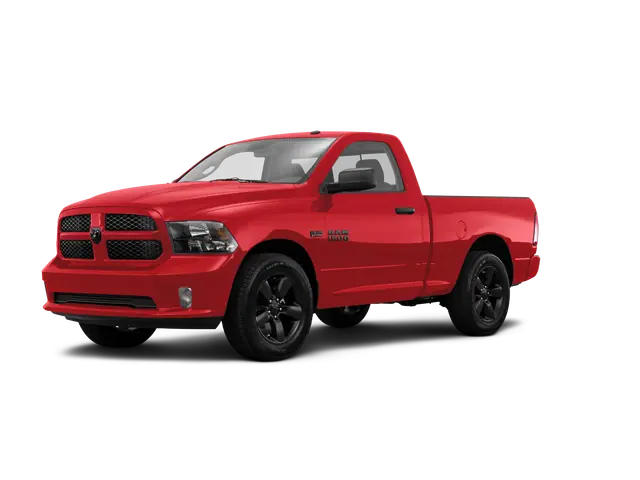
Sport · 164,592 miles
Just arrived
Not priced yet
Still being appraised. Ask now and you see the number before it is listed.
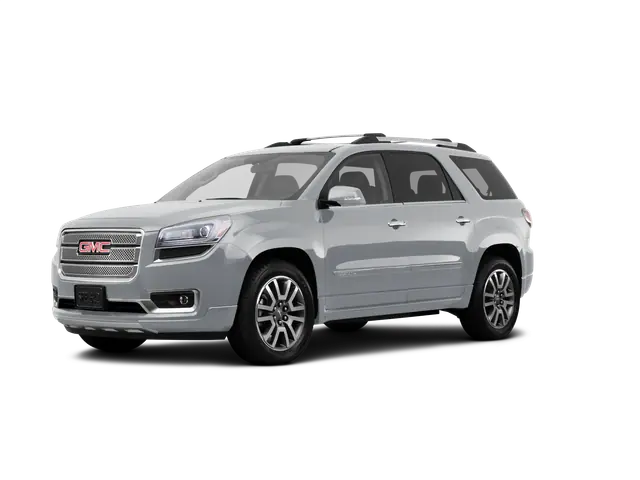
Denali · 137,879 miles
Just arrived
Not priced yet
Still being appraised. Ask now and you see the number before it is listed.
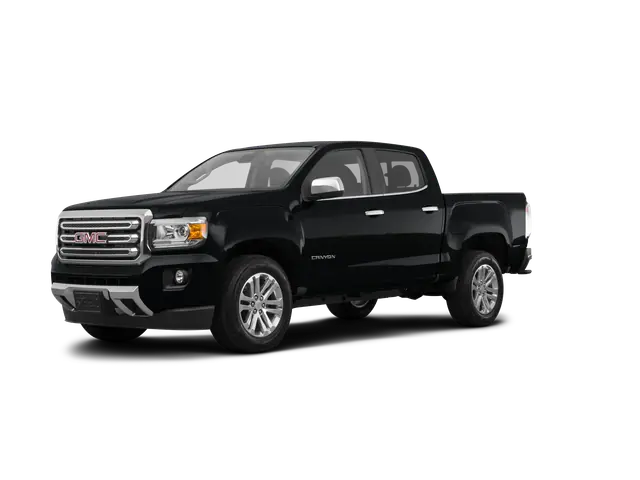
SLT · 113,918 miles
$19,978
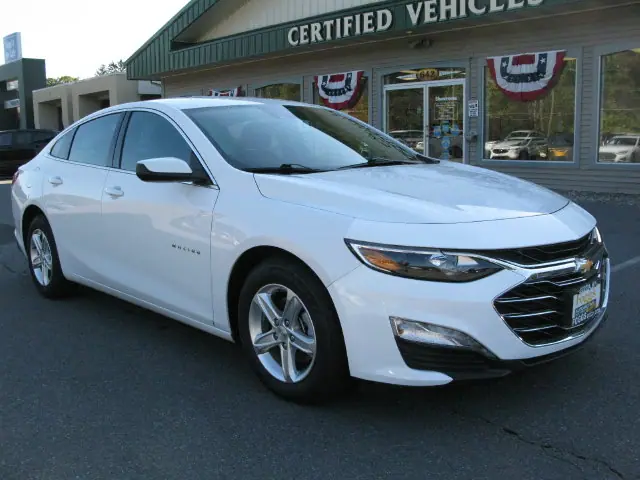
LT · 54,641 miles
$20,978
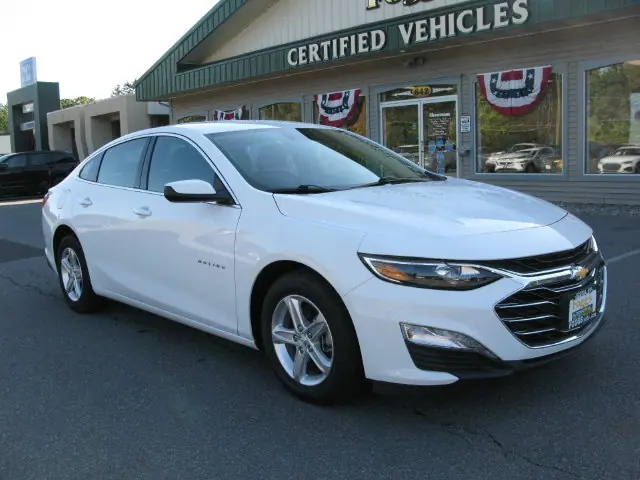
LT · 53,684 miles
$20,978
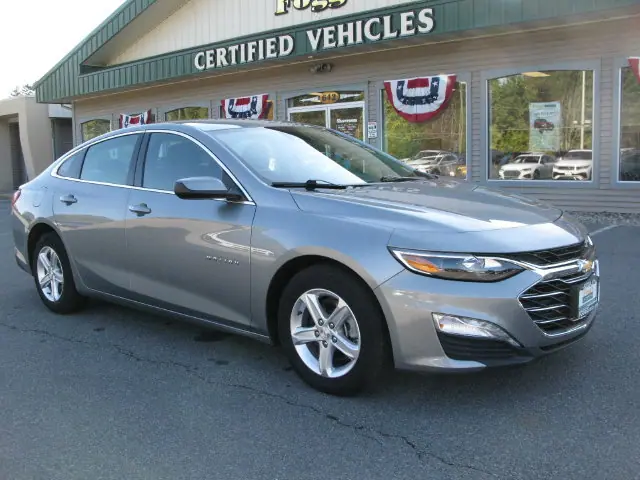
LT · 60,164 miles
$19,978
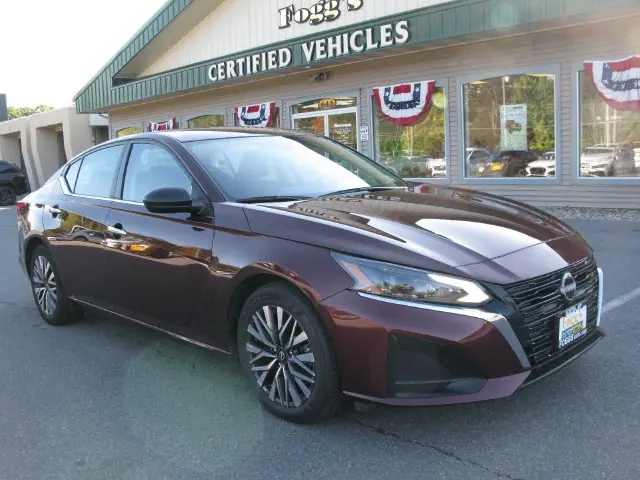
2.5 SV · 56,567 miles
$19,978
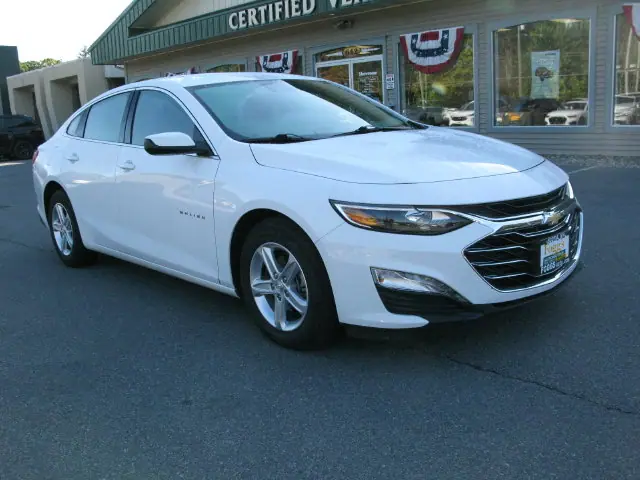
LT · 62,427 miles
$19,978
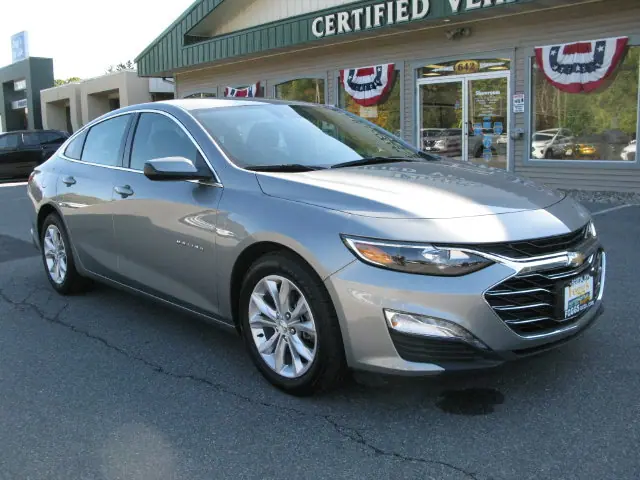
LT · 53,616 miles
$19,978
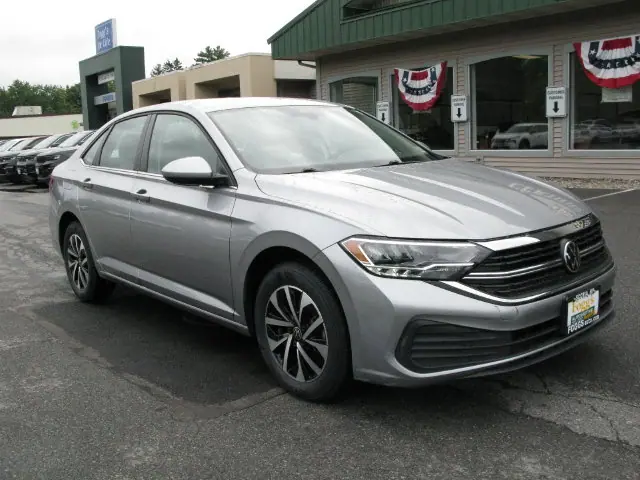
S · 45,801 miles
$18,978
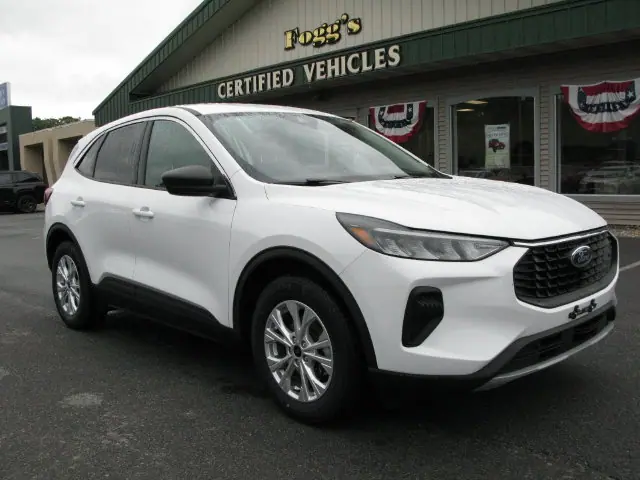
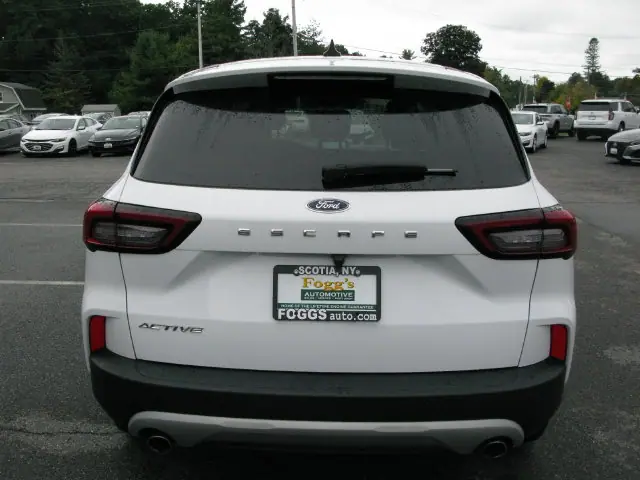
Active · 48,958 miles
$20,978
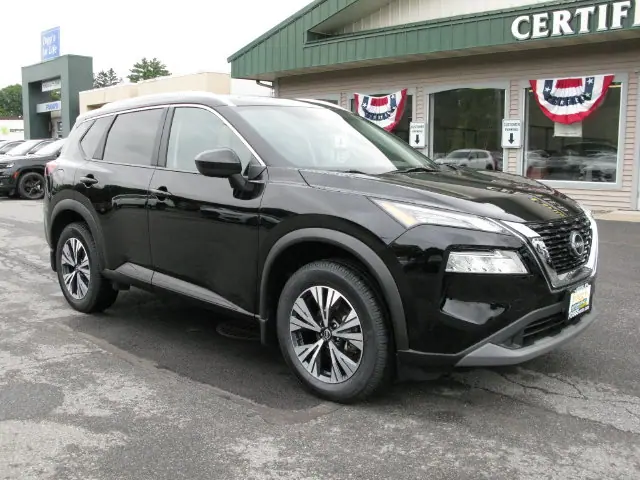
SV · 24,272 miles
$23,978
You are not just buying a first car. You are opening the first line on a credit file that follows you for years.
Which is why the loan has to actually report. We arrange financing through banks and credit unions rather than lending in-house, so every on-time payment is recorded with the bureaus and builds the history you came here to start. A buy-here-pay-here loan frequently reports nothing at all — you make the payments and end two years later with the same empty file you began with.
Three ways to make a first approval work. They are not equal, and two of them cost you nothing but planning.
The strongest lever, and the one with a cost
A co-signer with established credit lets the lender underwrite their history instead of your absent one. It usually produces the best rate available to a first-time buyer. What it is not is a formality — the co-signer is legally responsible for the full balance, and a missed payment damages their credit as much as yours.
The strongest lever that risks nobody else
Money down reduces what the lender stands to lose, which is the entire thing they are worried about with a thin file. It lowers the payment, shortens the term you need, and often improves the rate — all without putting a family member on the paperwork. A trade-in does the same job if you have a vehicle now.
What you can prove on paper
With no score to read, lenders read verifiable income, how long you have held the job and how long you have lived at your address. None of it moves quickly, but it is what turns a marginal application into an approved one — and it is free to prepare. Bring recent pay stubs, proof of address and your licence.
Four things, in roughly this order of weight. Two of them you can change this week.
01
Gross monthly income you can document — pay stubs, or bank statements and a tax return if you are self-employed. Lenders size the payment against it, and most subprime programs want the car payment under roughly 15–20% of gross monthly income.
Bring 30 days of stubs. An offer letter alone is usually not enough.
02
Stability is a proxy for the credit history you do not have yet. Twelve months at one employer moves the needle more than a raise does at three months.
If you have just moved or just started, a co-signer or more money down closes the gap.
03
Money down cuts the loan-to-value ratio, which is the single number a lender can control for. In New York, a trade-in also removes its value from the taxable price, uncapped — so a trade is worth more than the same amount in cash.
Every extra $1,000 down improves the approval odds and the rate at the same time.
04
Lenders price the collateral, not only the borrower. A reconditioned vehicle with a documented history and real resale value is cheaper to finance than a cheap car with an unknown past — the same reason we will not stock the cheap car.
This one is already handled: every vehicle here is reconditioned to 151 points before it is listed.
Pick your lever
Every one of them has a cost. We would rather you know it now than find out in month four.
Usually a parent or a spouse with established credit.
The strongest single lever. It typically produces both the approval and a materially lower rate, because the lender is underwriting their file alongside yours.
The cost
The loan appears on their credit report too, and a payment you miss is a payment they missed. They are legally on the hook for the whole balance, not half of it.
Anyone who can put more money in up front, or has a car to trade.
No third party involved, no one else's credit at stake, and it lowers your rate as well as your odds. A trade-in counts, and New York's tax credit makes it count for more.
The cost
It is cash you do not get back, and going too thin on savings to make a bigger down payment is how a good approval turns into a missed payment in month four.
Buyers with no credit file at all — often students and recent graduates.
Several of the banks and credit unions we work with run these. They are built to underwrite income and stability instead of a score you do not have yet.
The cost
They usually cap the loan amount and expect a real down payment, so they tend to point you at a sensible first car rather than the one you want.
Co-signing is not a character reference. It is a legal guarantee of the entire balance, it appears on your credit report as your debt, and it counts against your own debt-to-income ratio the next time you borrow. A missed payment lands on your file as fast as it lands on theirs. Plenty of our customers co-sign for their kids and it goes fine — but go in knowing the payment has to work on a month where the hours got cut, not just on a good month.
A first approval falls apart over missing paperwork more often than over credit. Bring these and the whole thing is one appointment.
Start the pre-approvalA valid driver's licence
Not a permit. The buyer on the loan has to be licensed.
Proof of income
Your most recent 30 days of pay stubs. Self-employed: two years of tax returns, or three months of bank statements.
Proof of residence
A utility bill, lease or bank statement with your name and current address on it.
Proof of insurance
New York requires coverage in force before the car leaves. Your agent can add the vehicle by phone while you are here.
Your down payment
Debit, cheque or certified funds. Tell us in advance if it is coming from a bank transfer.
References
Most first-time-buyer programmes ask for five or six names and numbers of people not living with you.
Trade paperwork, if you have a trade
Title or the lender's payoff information, registration, and both keys.
Every first-time buyer is offered a longer term to make the payment fit. Here is what it actually costs, on a $22,000 balance at 14.03% — the current near-prime average.
| Term | Monthly payment | Total interest | Versus 48 months |
|---|---|---|---|
| 48 months | $602 | $6,873 | — |
| 60 months | $512 | $8,735 | +$1,862 more interest |
| 72 months | $454 | $10,665 | +$3,792 more interest |
| 84 months | $413 | $12,662 | +$5,790 more interest |
Experian State of the Automotive Finance Market, Q1 2026 — average used-vehicle APR by credit band. Market averages, not our rates. Illustration only — your rate comes from your approval. The shortest term whose payment you can comfortably make in a bad month is almost always the right answer.
Often, yes. A FICO score needs roughly six months of activity on at least one account before it exists at all, so a genuine first-time buyer usually has no score rather than a bad one — and lenders treat those two situations differently. Several of the banks and credit unions we work with run first-time-buyer programmes that underwrite verifiable income, time on the job and your down payment instead. A co-signer or a larger down payment improves the outcome further.
A valid driver's licence, your most recent 30 days of pay stubs (or two years of tax returns if you are self-employed), proof of residence such as a utility bill or lease, proof of insurance, your down payment, and usually five or six personal references. If you are trading a vehicle, bring the title or your lender's payoff information, the registration and both keys.
A co-signer is the stronger lever and usually produces a lower rate, but it puts the whole balance on their credit report — a payment you miss is a payment they missed. A larger down payment achieves less on the rate but risks nobody else's credit. If a parent is co-signing, both of you should understand it is a guarantee of the full loan, not half of it.
Most subprime and first-time-buyer programmes want the payment under roughly 15–20% of your gross monthly income, and that is a reasonable ceiling to hold yourself to even where a lender would allow more. Remember insurance is separate — a first-time driver's premium can rival the payment itself, so get an insurance quote on the specific vehicle before you sign anything.
It lowers the payment and raises the total cost, and it keeps you owing more than the car is worth for longer. On a $22,000 balance at 14.03%, stretching from 60 months to 84 saves about $100 a month and costs about $3,928 more in interest. Take the shortest term whose payment you can comfortably make.
No. We arrange financing through banks and credit unions, which means a conventional auto loan at a lower rate that reports to the credit bureaus — so paying it actually builds the credit history you are here to start. In-house lending typically does neither.
Two minutes and a soft credit check. It does not touch your score, and it tells you the number before you start looking.